Muzeul Ouălor Lucia Condrea
Over 15,000 eggs in 106 cases. The world’s largest solo artist museum, hidden in a Carpathian valley.
You stand before the International Museum of Painted Eggs. It is not a grand palace. It is a collection of 106 showcases. Inside them, more than half of the 30,000 eggs decorated by Lucia Condrea over 50 years. The rest are scattered across 110 countries, in royal houses and private collections. This is the largest author museum in the world.
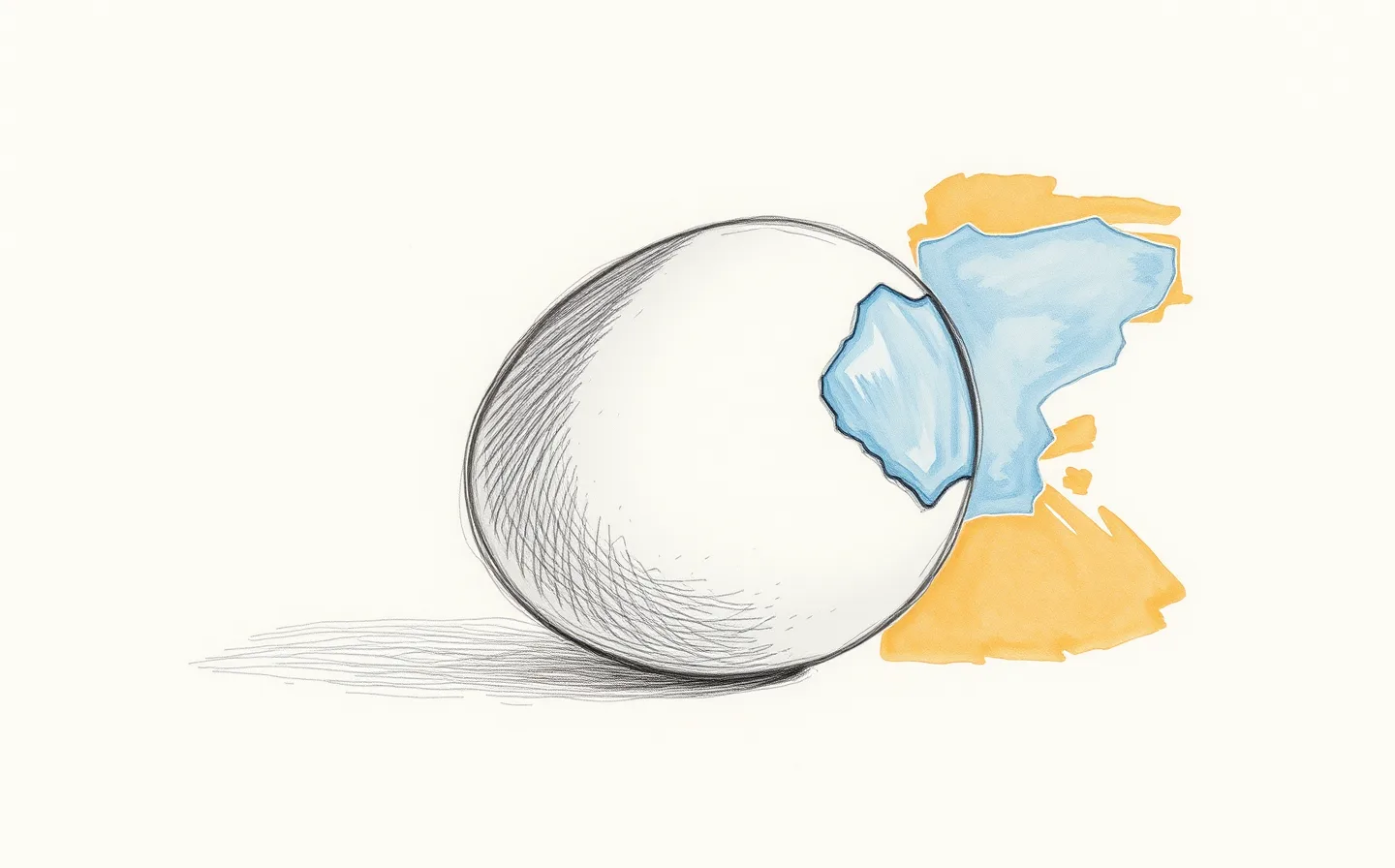
Look closely at the techniques. Condrea did not just paint. She used coloured wax relief. She applied batik in black and white. She transposed old Romanian textile laces onto the fragile shell. There are ancient Moorish-art techniques here. There are modern abstract works. And there are old local decorative motives rendered in beeswax and natural pigments. Each egg is a miniature canvas, demanding a different eye.
The museum opened officially in summer 2007. But it began in 1993, in the artist’s own house. It grew too big for a home. Now it sits in the Moldovița river valley, among hills and forests. It is close to the UNESCO painted monastery. The location is deliberate. Bucovina is the heartland of the Easter egg-painting tradition. Here, hot beeswax decoration, known as “închistrit”, is raised to an art form.
You will see eggs collected from Hutsul villages. Moldovița, Ciumârna, Breaza, Izvoarele Sucevei, Ulma, Brodina, Moldova Sulița. The oldest pieces date to 1883. They carry pre-Christian symbols. They are not just decorations. They are artifacts of a fading world. Condrea collected them. She preserved them. She added her own voice to the chorus of the valley. The legend is not in the myth. It is in the wax.
Over 15,000 eggs in 106 cases. The world’s largest solo artist museum, hidden in a Carpathian valley.
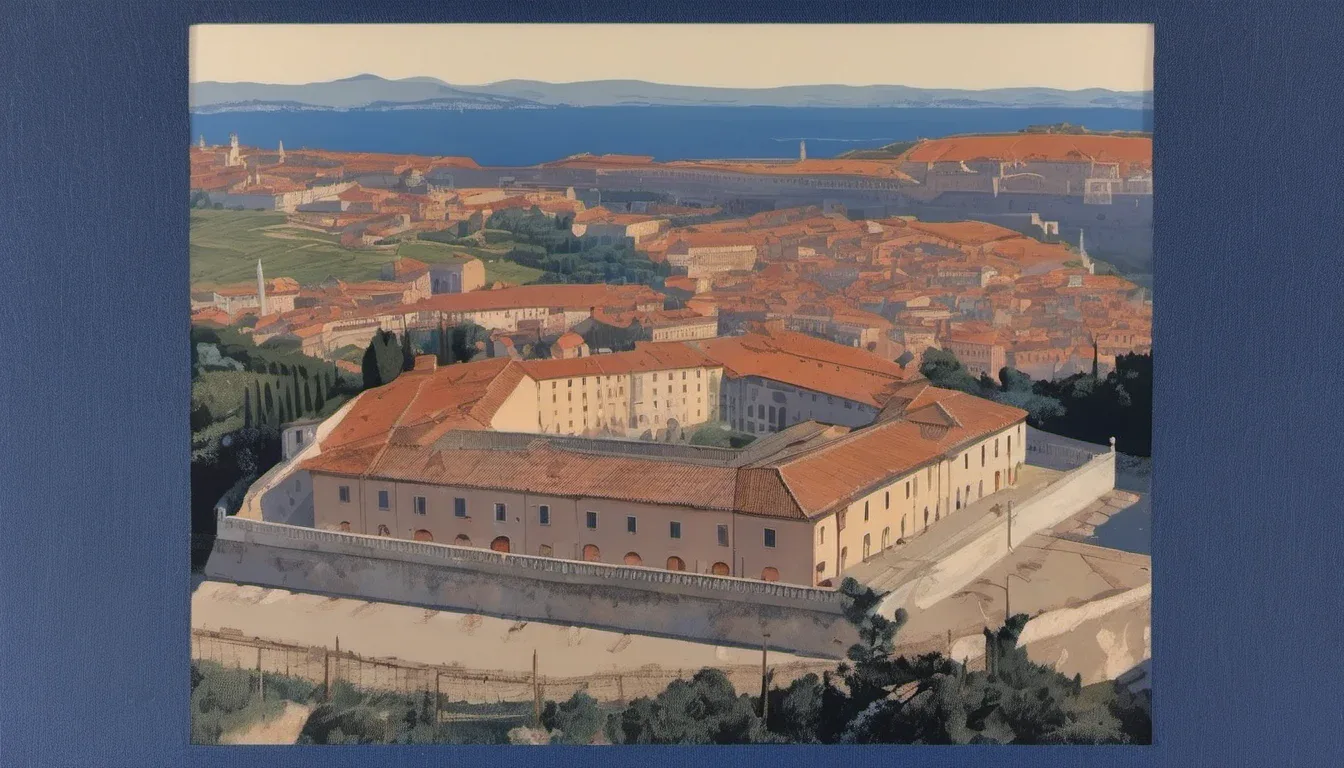
You are in Vatra Moldoviței. The air is cool. The valley is narrow. Hills and forests press in on all sides. In the distance, you can see the UNESCO painted monastery. But you are not here for the stone. You are here for the shell. The International Museum of Painted Eggs “Lucia Condrea” is a modest building. It does not shout. It invites. Inside, the silence is heavy with the weight of 50 years of work.
Lucia Condrea decorated more than 30,000 eggs. More than half are here. They are arranged in 106 showcases. This is not a hobby. It is a life’s obsession. The museum was founded officially in summer 2007. But it started in 1993, in her own house. The collection grew too large for domestic walls. It needed a public home. The result is the largest author museum in the world. The rest of the eggs are gone. They are in museums, Royal Houses, and private collections in about 110 countries. You are seeing the heart of the collection. The periphery is scattered across the globe.
Look at the first section. It is unique creations by Condrea. She was not a traditionalist in the simple sense. She was an innovator. She used six distinct techniques. Observe the coloured wax relief. The wax is raised, creating texture you can almost feel. Look at the batik. It is black and white, stark and graphic. She transposed old Romanian textile laces onto the egg. This is a difficult transfer. The lace is flat. The egg is curved. She made it work. She used an ancient Moorish-art technique. She created modern abstract works. She used old local decorative motives in beeswax and natural pigments. Each technique tells a different story about her skill.
The second section is a time machine. It contains very old painted eggs. Condrea collected them from villages inhabited by the Hutsuls. The list is specific: Moldovița, Ciumârna, Breaza, Izvoarele Sucevei, Ulma, Brodina, Moldova Sulița. These are not just any villages. They are the roots of the tradition. The oldest pieces date to 1883. They are over a century old. They carry pre-Christian symbols. These are not Easter eggs in the modern commercial sense. They are religious artifacts. They are protective charms. They are the visual language of a people who lived in the mountains, far from the capital.
Bucovina is the heartland of the Easter egg-painting tradition. In this region, the decoration is not superficial. It is structural. The technique is called “închistrit”. It involves hot beeswax. The wax is applied to the egg. It is raised. It creates a barrier. It defines the pattern. This is not just paint. It is a craft that requires heat, precision, and patience. Condrea mastered this. She elevated it. She turned a folk craft into high art. The museum is a testament to this elevation. It shows the progression from the village to the world stage.
The third section is the international collection. It includes eggs from artists of 56 countries. These are countries with egg-decoration traditions. It is a global conversation. Condrea placed her work in dialogue with others. She showed that the egg is a universal canvas. The shapes are similar. The fragility is similar. The desire to decorate is similar. But the patterns are different. The symbols are different. The colors are different. This section expands the context. It shows that Bucovina is not isolated. It is part of a global tapestry. But it also shows that Bucovina has a unique voice.
Consider the scale. 30,000 eggs. 50 years. That is 600 eggs a year. That is more than one a day. Every day. For half a century. This is not a burst of inspiration. It is a discipline. It is a routine. It is a meditation. Condrea did not just paint. She lived the egg. The museum is a record of this life. It is a diary written in wax and pigment. The 106 showcases are the chapters. Each egg is a sentence. The collection is the book.
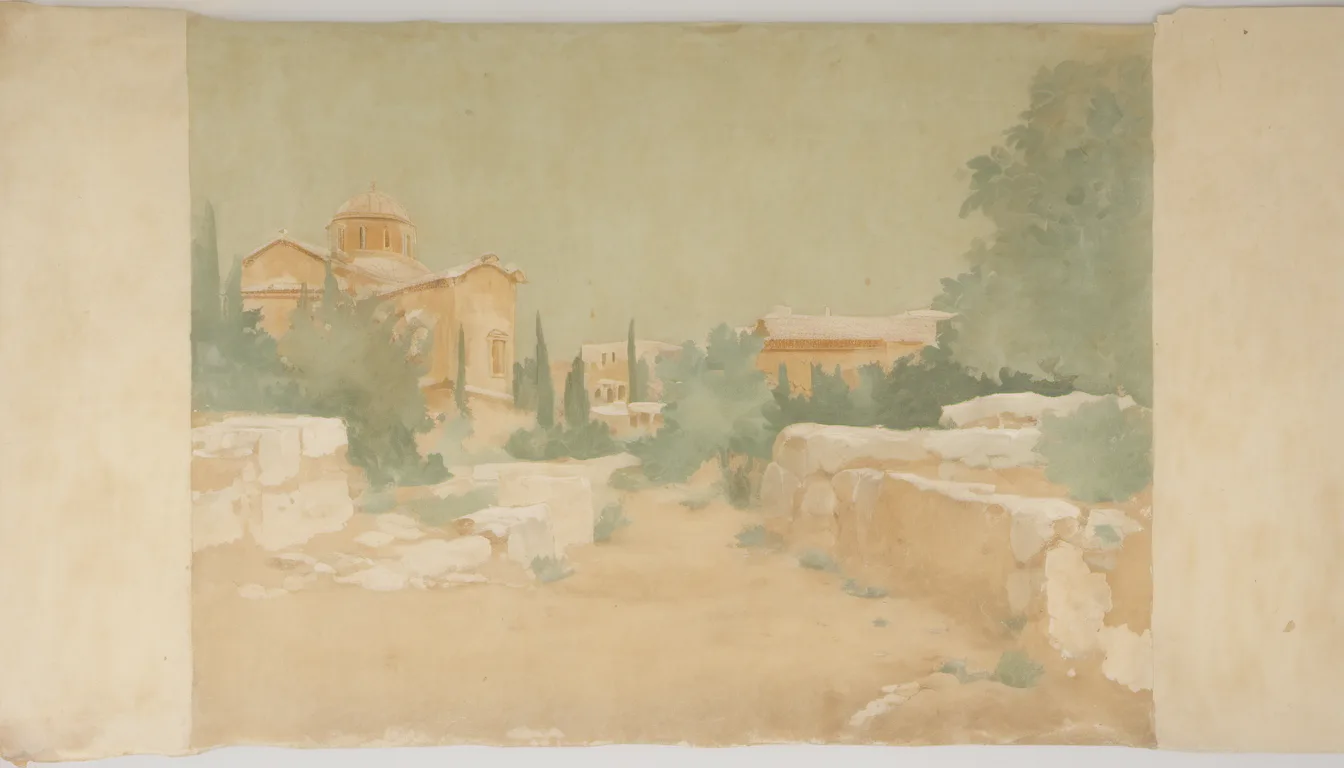
The location is significant. Vatra Moldoviței sits in the Moldovița river valley. It is close to the UNESCO painted monastery. The monastery is famous for its exterior frescoes. The museum is famous for its interior shells. Both are forms of religious art. Both are forms of preservation. The monastery preserves the faith of the 16th century. The museum preserves the craft of the 20th and 21st centuries. They are neighbors. They are complementary. One is stone. One is shell. One is public. One is intimate.
There is a mystery in the pre-Christian symbols. The oldest eggs date to 1883. They carry symbols that predate Christianity. What do they mean? How were they transmitted? Who taught the artists? The museum does not answer all these questions. It presents the objects. It lets you look. The symbols are abstract. They are geometric. They are powerful. They speak of a time before the cross. They speak of the sun, the moon, the earth. They speak of life and death. Condrea collected them. She saved them from oblivion. She gave them a new context. She did not erase their past. She honored it.
The museum is a place of quiet. It is not a tourist trap. It is a sanctuary. You can spend 90 minutes here. You can spend hours. The details are endless. The wax is raised. The colors are deep. The patterns are complex. The stories are hidden. You are looking at a lifetime of work. You are looking at a tradition that spans centuries. You are looking at a global phenomenon. But you are standing in a small town in the Carpathians. The contrast is striking. The impact is profound. Lucia Condrea gave the world her eggs. The world gave them a home. You are witnessing the meeting.