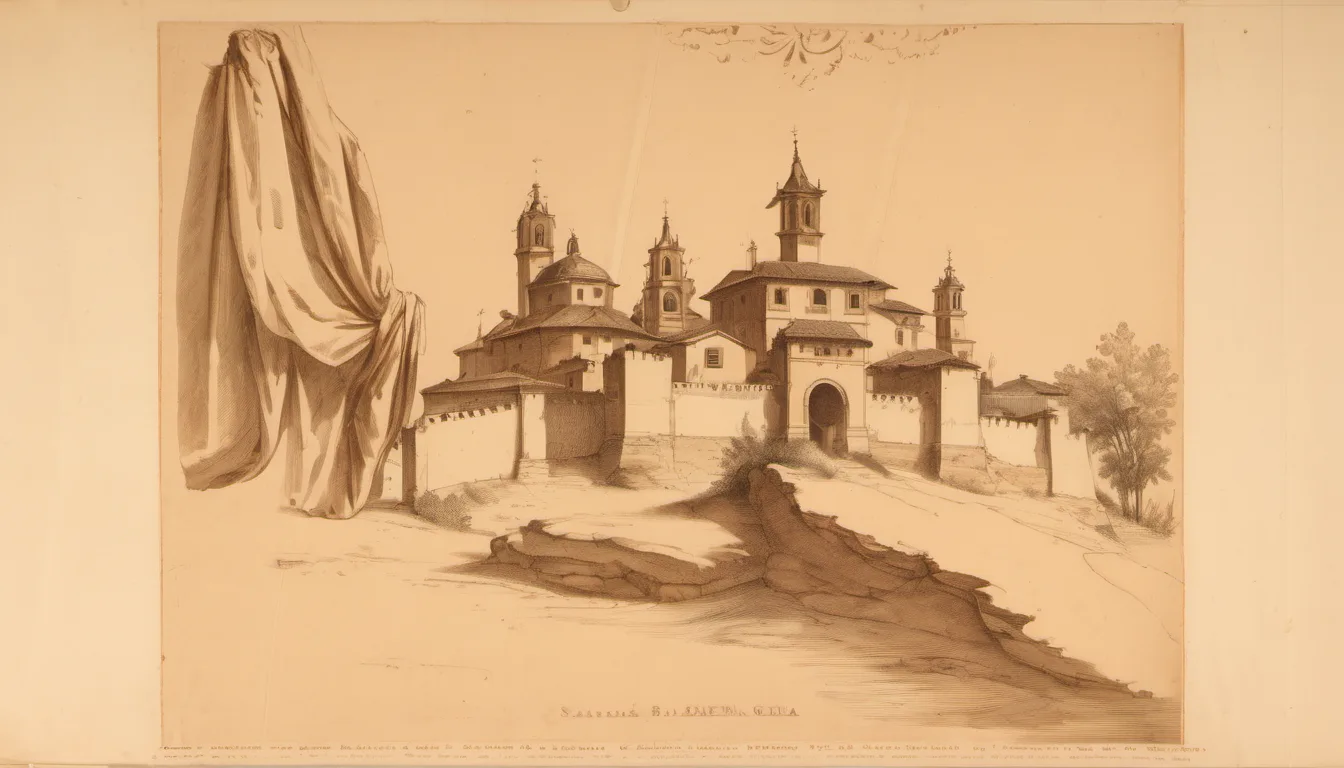
Camerino, Italy
Camerino sits at 661 meters, a medieval university town perched on a ridge between the Potenza and Chienti valleys. It is not a destination for spectacle, but for the quiet density of history. The air is cool, the streets narrow, and the presence of the university, founded in 1336, gives the city a permanent intellectual pulse that distinguishes it from the tourist-heavy coast.
The city’s core is defined by the Da Varano family, who ruled for three centuries. Their legacy is visible in the Ducal Palace, a Renaissance structure with a wide panoramic balcony, and the Tempio dell’Annunziata. The architecture is not ornate for its own sake; it is functional, defensive, and deeply rooted in the political struggles of the Guelph and Ghibelline factions that shaped central Italy.
Walking Camerino rewards you with a sense of continuity. You move from the late Gothic San Venanzio to the baroque San Filippo, each building a layer in a stratigraphy of faith and power. The views over the Sibillini Mountains provide a natural frame for the city’s stone facades, creating a landscape that is both rugged and refined.
Camerino’s history begins with the Camertes Umbri, who allied with Rome in 310 BC. Though the ancient city of Camerinum lies buried beneath the modern streets, its political DNA persists. The town transitioned from a Roman municipium to a Lombard duchy, and eventually into an independent commune that fiercely defended its Guelph loyalty to the Pope. This allegiance brought catastrophe: in 1256, Manfred of Sicily’s troops besieged and destroyed the city, killing much of the population.
Recovery came through the Da Varano family. Gentile Da Varano, a refugee from the 1256 destruction, returned in 1262 to establish a fiefdom that would last three centuries. His descendants transformed the town into a cultural hub. In 1382, Giovanni da Varano built a 12-kilometer defensive wall, enclosing the city in a ring of stone that still defines its perimeter. The family’s patronage attracted artists and scholars, culminating in the founding of the University in 1336, a medieval institution that has remained a public anchor of the town’s identity.
The architectural peak of the Da Varano era is the Ducal Palace, commissioned by Giulio Cesare Da Varano in 1460. It is one of the most important Renaissance buildings in central Italy, featuring a portico, loggias, and frescoed halls that reflect the humanist ideals of the time. Giulio Cesare also commissioned the Tempio dell’Annunziata, built by Rocco da Vicenza between 1493 and 1508. This building replaced an older chapel and stands as a testament to the family’s desire to project power through sacred space.
The family’s influence extended to the spiritual realm. Giulio Cesare’s daughter, Camilla Battista da Varano, was a figure of significant piety, canonized as a saint by Pope Benedict XVI in 2010. Her life and the family’s patronage are woven into the city’s religious fabric, visible in churches like San Venanzio, which retains its 15th-century façade and bell tower despite the devastating earthquake of 1799. The crypt of the Cathedral houses stone lions from the late 13th century and busts from Bernini’s workshop, linking the city to broader artistic currents.
The political landscape shifted dramatically in 1502 when Cesare Borgia nearly extinguished the Da Varano line. He commissioned the Rocca di Borgia, a fortress with cylindrical towers and a massive keep, designed by Ludovico Clodio in 1503. This structure served as a command post for German occupation forces during World War II, a reminder of the city’s strategic military value. In 1545, the city fell under direct Papal administration, ending the independent ducal era.
Art in Camerino is deeply local. The Pinacoteca, housed in the restored Ex Convento di San Domenico, holds works by the Scuola Pittorica Camerte, including Arcangelo di Cola and Girolamo di Giovanni. Their tempera paintings on fresco and panel show a stylistic evolution that moves toward the world of Piero della Francesca. The collection also includes a canvas by Gianbattista Tiepolo, the only work by the Venetian master present in central Italy, housed in the baroque Church of San Filippo Neri.
The city’s physical character is shaped by its climate and geography. At 661 meters, Camerino experiences a humid continental climate with frequent, heavy snows in winter and warm, rarely muggy summers. The landscape is a mix of cultivated fields, small woods, and ancient oaks, framed by the Sibillini Mountains to the south and Monte San Vicino to the north. This setting provides a natural backdrop for the city’s stone architecture, creating a visual harmony between the built environment and the rugged Apennine terrain.
Today, Camerino is a city of 5,911 residents, where the university remains the primary engine of life. The town’s history is not just a backdrop but a living presence, from the Jewish quarter known as the Giudecca to the botanical gardens maintained by the university. Walking its streets is an exercise in reading layers of time, from Roman treaties to Renaissance frescoes, all within a compact, defensible space that has survived earthquakes, sieges, and centuries of political change.