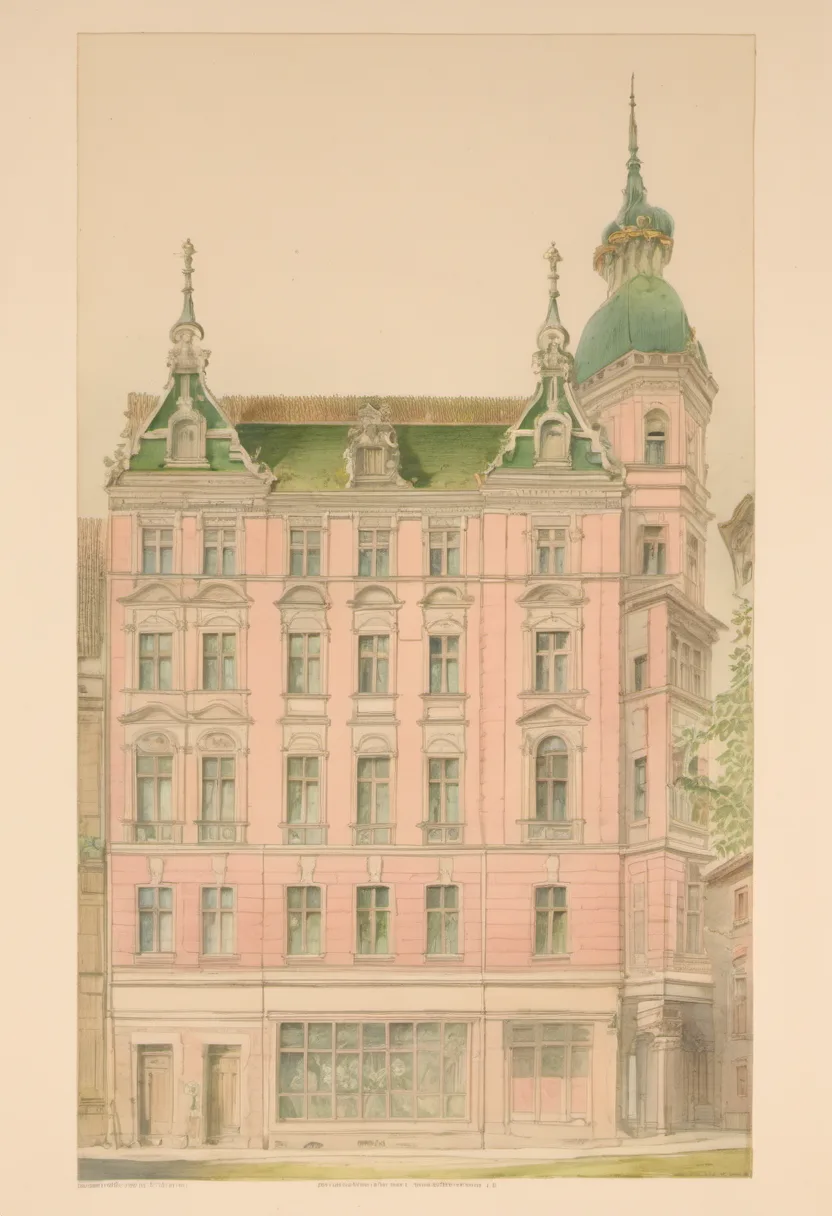
Świdnica, Poland
Świdnica does not shout. It sits in the Silesian Lowland, a compact, dignified presence where the past is not performed but preserved. The air here carries the weight of centuries, filtered through narrow streets that have seen empires rise and fall, treaties redraw borders, and faith shift like the wind off the Sudetes. To walk here is to move through a layered narrative of Central Europe, where Polish, German, and Jewish histories overlap without fully merging.
The city’s center is anchored by the Church of Peace, a UNESCO World Heritage site that stands as a testament to tolerance in an age of intolerance. Built in the mid-17th century, its timber-framed structure is an architectural paradox: a place of worship constructed without stone, iron, or nails, adhering to the strictures of the Peace of Westphalia. This is not merely a building; it is a political statement carved in wood and lime, a quiet defiance that allowed Lutherans to worship in a Catholic-dominated landscape. It is the reason you come, and the reason the city matters.
Walking the square around it reveals a different texture. The Town Hall, with its Renaissance gables, watches over a space that has hosted markets, plagues, and proclamations. The streets radiate outward, leading to the former Jewish quarter and the quieter residential blocks where half-timbered houses lean slightly, bearing the scars of time. There is no grand spectacle here, only the steady rhythm of daily life continuing against a backdrop of monumental history.
The reward for walking Świdnica is the clarity it offers. In a region often defined by the shadow of Wrocław, this city maintains its own distinct voice. It is a place where you can stand in the shadow of a 400-year-old timber church and feel the silence of compromise. It is not loud, not crowded, and entirely worth the detour. You leave with a sense of how fragile peace can be, and how enduring stone and wood can be when they are built to survive.
To understand Świdnica, one must first look at the map of Lower Silesia, a region that has never been content with simple borders. Located in the Silesian Lowland, south of the Oder River and north of the Sudetes, this area has long served as a corridor between East and West. The geography here is gentle, defined by the broad valleys of the Oder and its tributaries, but it is the history that gives the land its texture. Świdnica, known historically as Schweidnitz, sits at a strategic point along these routes, a place where armies marched, merchants traded, and ideas collided.
The city’s origins are rooted in the medieval period, when it was granted city rights in 1243. It grew under the Piast dukes, part of the fragmented Polish state that characterized the region before the Bohemian Crown asserted its overlordship in 1335. For centuries, Świdnica was a stronghold of the Piast dynasty, a line that would eventually merge with the Jagiellonian and Sobieski dynasties, tying the city’s fate to the broader political currents of Poland and Bohemia. The name itself, derived from the Świdnik tree, hints at its organic growth from a settlement into a fortified town.
The 16th and 17th centuries brought the Reformation, transforming the religious landscape. As Protestantism took root, Świdnica became a center of Lutheran faith in a predominantly Catholic region. This shift would have profound consequences, particularly after the Thirty Years’ War. The Peace of Westphalia in 1648 ended the conflict but imposed strict conditions on the defeated Protestants. They were allowed to build three 'Peace Churches' in the region, but only outside the city walls, using only wood, clay, and straw. No stone, no iron, no nails. This constraint, born of political defeat, became the seed of architectural ingenuity.
The Church of Peace, completed in 1656, is the masterpiece of this era. It is a timber-framed basilica, its walls constructed from interlocking wooden beams, braced by stone buttresses. The interior is a surprise: a single nave, with wooden galleries supported by slender columns, creating a sense of lightness and space. The roof, covered in lime plaster to protect the wood, mimics the form of a stone church. It is a building that defies its own materials, a structure that exists because of, not in spite of, its limitations. For locals, it is not just a tourist attraction; it is a symbol of resilience, a place where faith was preserved through compromise.
Beyond the church, the city’s history is written in the Town Hall, which dates back to the 14th century. Rebuilt multiple times, its current Renaissance facade reflects the prosperity of the early modern period. The square around it has been the heart of civic life for centuries, hosting markets, executions, and celebrations. The surrounding buildings, many half-timbered, bear the marks of wars and fires, yet they have been carefully restored. This is not a museum city; it is a living place, where residents go to cafes, shops, and offices, surrounded by the tangible evidence of their ancestors’ struggles.
The Jewish community played a significant role in Świdnica’s history, particularly in the 18th and 19th centuries. A synagogue was built in the 19th century, reflecting the community’s growth and integration. The Jewish quarter, though diminished by the Holocaust, remains a part of the city’s memory. The expulsion of the German population after World War II and the arrival of Polish settlers from the east transformed the demographic makeup of the city. Today, Świdnica is a Polish city, but its architecture and street names retain the layers of its multi-ethnic past.
The political history of the region is complex. After the Thirty Years’ War, the area fell under Habsburg rule, then Prussian in 1742, and finally German in 1871. The city changed hands several times, each transition leaving its mark. The Prussian era brought industrialization, with the arrival of the railway in the 19th century connecting Świdnica to Wrocław and beyond. This integration into the broader German economy brought new prosperity, but also new tensions, as the city’s Polish identity persisted beneath the surface.
World War II was a turning point. The city was heavily damaged during the war, and the post-war borders, established by the Potsdam Agreement, placed Świdnica firmly within Poland. The German population was expelled, and Poles from the eastern territories, displaced by the Soviet annexation of Kresy, settled in their place. This demographic shift was traumatic but also generative, creating a new Polish identity for the city. The architecture was repaired, the streets were renamed, but the underlying structure remained, a palimpsest of cultures.
Today, Świdnica is a city of contrasts. It is small, with a population of around 55,000, yet it holds a UNESCO World Heritage site that draws visitors from around the world. The Church of Peace is not just a religious site; it is a diplomatic symbol, a reminder that peace can be built even in the most difficult circumstances. The city’s museums, galleries, and cultural events reflect a commitment to preserving this heritage while looking forward. It is a place where history is not just remembered but actively engaged with.
Walking through Świdnica is an exercise in observation. You notice the way the light falls on the timber frames, the texture of the lime plaster, the silence of the square. You see the juxtaposition of the old and the new, the sacred and the secular. You feel the weight of the past, but also the lightness of the present. It is a city that does not demand your attention, but rewards those who give it. In a region defined by conflict, Świdnica offers a narrative of survival, tolerance, and quiet dignity. It is a place to walk, to think, and to remember.