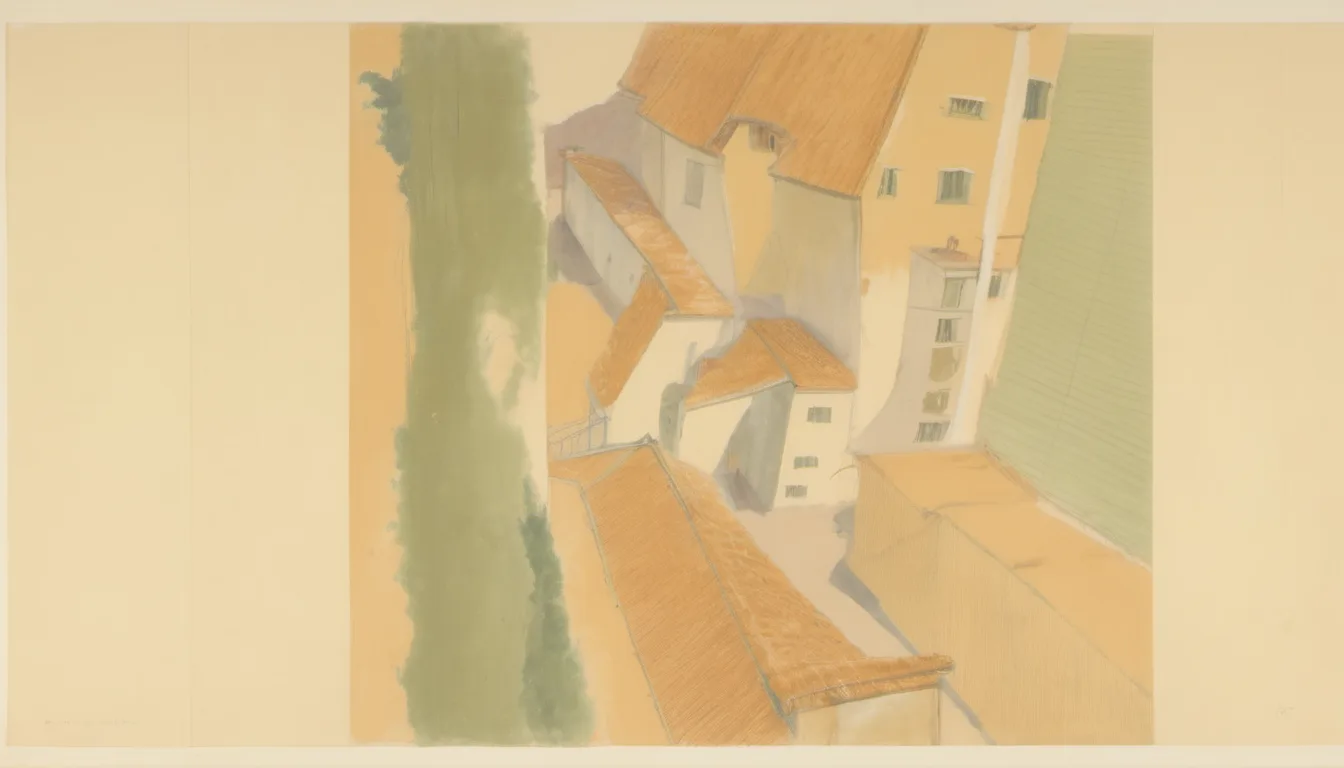
Offagna, Italy
Offagna sits on a hilltop 11 kilometers southwest of Ancona, a place defined less by its size than by its strategic position. With a population of roughly 2,000, it is a quiet municipality that punches above its weight in terms of architectural preservation and historical significance.
The reason this village matters is the Rocca. Built between 1454 and 1456 by the city of Ancona, this square fortress with its central keep and corner tower was designed to defend the Aspio river boundary. It is one of the most important defensive structures in the Anconetane castles, and its intact state offers a rare, uncluttered look at medieval military architecture.
Walking here rewards you with a sense of suspended time. The village is part of the 'Most Beautiful Villages of Italy' and holds the 'Orange Flag' recognition, a nod to its quality of life and heritage. You are not just visiting a town; you are stepping into a preserved slice of the late Middle Ages, where the layout of the streets and the stone of the walls still speak to their original purpose.
The history of Offagna is a study in quiet resilience. While references to the Roman or pre-Roman periods are scarce, the village’s documented story begins in the late Middle Ages when Germanic nobles were granted the Marchigian zone by the Archbishop of Ravenna. For centuries, its fate was intertwined with that of neighboring Osimo, a relationship that shaped its early development and political alignments.
The turning point came in 1445, when Pope Eugene IV definitively placed Offagna under the jurisdiction of Ancona. This move transformed the village into one of Ancona’s roughly twenty castles. The strategic importance of this new role is evident in the construction of the current Rocca between 1454 and 1456. The fortress was not merely a residence but a military necessity, tasked with defending the boundary along the Aspio river. Its square plan, central maschio, and corner tower reflect a pragmatic, defensive design that has survived centuries of conflict and restoration.
After the fall of the Anconetane Republic in 1532, Offagna became part of the Papal States until Italian unification. Despite the lack of extensive historical records from this period, the quality of the local architecture tells a different story. The well-preserved noble palazzos suggest a community of significant wealth and status, a fact corroborated by the village’s inclusion in the 'Most Beautiful Villages of Italy' and its receipt of the 'Orange Flag' in May 2013.
Cultural life in Offagna is anchored by two key monuments. The parish church of San Tommaso Apostolo, built in the 17th century, serves as the spiritual heart of the village. More visually striking is Villa Montegallo, a 16th-century construction designed by Andrea Vici. The villa features decorations by Niccolò Pomarancio and shows clear influences from the style of the Bibbiena family, indicating a connection to broader Renaissance artistic currents in the region.
Today, the economy is driven by seasonal tourism, agriculture, and small-scale industry. The local fields support modest vineyards, cereal crops, and fodder, while small packaging and metalworking industries provide year-round employment. The village’s cultural offerings include the Museo della Rocca, the Luigi Paolucci Museum of Natural Sciences, and a branch of the Ancona Liberation Museum, which documents the arrival of Allied troops and the liberation from German forces.
Perhaps the most vibrant aspect of modern Offagna is its annual 'Feste Medievali.' This folkloristic festival recreates the atmosphere of the medieval period with dances, games, and tournaments. It is a living history event that allows residents and visitors to engage with the village’s past in a tangible, communal way, reinforcing the identity that the Rocca and the historic core have maintained for centuries.