Panteón de Marinos Ilustres
The Pantheon of Illustrious Sailors is not what it calls itself. It is a Catholic church, its nave extended by glass-walled cemeteries, tucked inside the Poblado Naval de San Carlos, a active military base on the Isla de León. The dome, a nod to Rome, is the only reason it bears the name pantheon—a neoclassical label that sits uneasily on a monotheistic building.
The base was a creation of Carlos III in the late 18th century. He donated crown lands for the defense of Cádiz, a city that sits on a long spit of land enclosing the bay. Without the base, Cádiz could be surrounded and cut off. A generation later, during the Siege of Cádiz, 12,000 Spanish, with some English and Portuguese, held against 70,000 French soldiers. The base proved its worth.
After the siege, the base became the seat of the Spanish Naval Academy and the headquarters of the marine corps. The Pantheon served as the chapel. In 1943 the academy moved north, and the role of San Carlos seemed to decline. But in 2018, the Ministry of Defence reasserted its control, declaring the area a Zone of Interest for National Defense. The base remains, and the Pantheon with it.
You enter through security barriers. The building is a composite of centuries: a church, a cemetery, a memorial. The arch, the vault, the dome—all classical in inspiration, yet the structure evolved over two hundred years, never built in a single style. It is a quiet monument to a navy, and to a king’s foresight.
The Pantheon of Illustrious Sailors is a building of contradictions. It calls itself a pantheon—a temple for all gods—but it is a Catholic church. The dome that gives it that name is a borrowed shape, a Roman arch rotated on its axis, a neoclassical gesture that says nothing about the faith inside. The Spanish architects of the 18th century adopted the label because it was fashionable; the building itself remains a nave with a cemetery enclosure.
That cemetery is a projection off the side of the nave, glass-walled and lined with the remains of the navy’s most honoured men. The church rises above it, a separate volume. The whole assembly sits within the Poblado Naval de San Carlos, a base that is neither fully San Fernando nor fully separate. The addresses shift between military and municipal jurisdiction, an ongoing controversy that no decree has settled.
The base began as a gift from Carlos III, the last absolute monarch of the Spanish Empire at its peak. He donated crown lands for the defence of Cádiz, understanding that without a fortified presence on the Isla de León the city could be encircled and starved. He died before the works were finished. His successor ordered that the incomplete base be named San Carlos in honour of the king, though Carlos III was no saint.
The king’s judgement proved sound. A generation later, during the Siege of Cádiz, 12,000 Spanish soldiers (with some English and Portuguese allies) held the city against 70,000 French troops. All of Spain had fallen except here. When the French withdrew, the savants who had gathered in Cádiz drafted a constitution for a limited monarchy. It was rejected, but the base entered a new era.
San Carlos became the seat of the Spanish Naval Academy and the headquarters of the marines. The Pantheon was its chapel. In 1943 the academy moved to Pontevedra, and the base’s importance seemed to wane. San Fernando lobbied to take over the land for commercial development, drawn by the prospect of a golden egg. The military resisted.
The issue came to a head in 2018. The Ministry of Defence firmly reasserted its claim, and more. In April the Council of Ministers declared the area a Zone of Interest for National Defense. A royal decree in June defined the boundaries, included the adjacent naval base and airspace, and gave the Ministry veto power over any new use or transfer. National defense took priority.
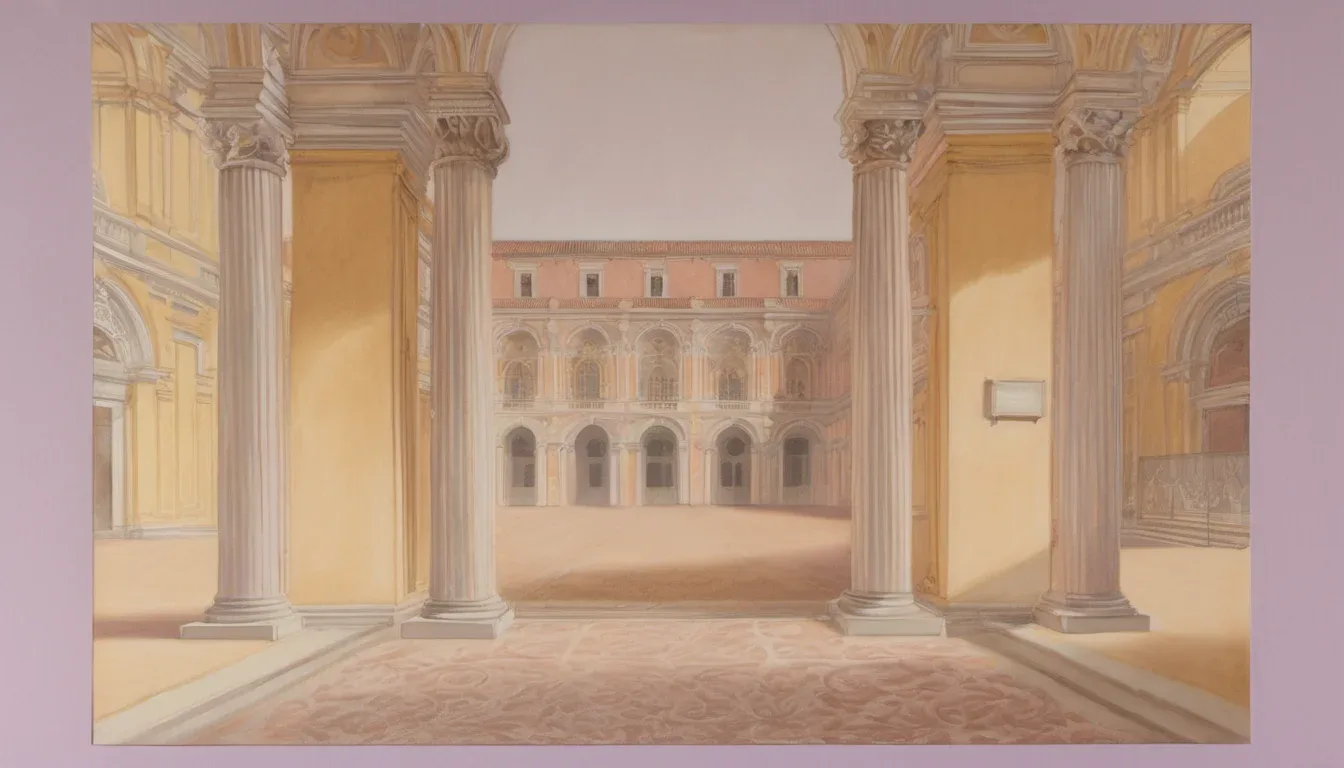
The architectural details are similarly layered. The main elements—arch, vault, dome—were all in use in classical times, but here they are not a reproduction of any single ancient building. The Pantheon evolved over more than two hundred years, acquiring additions and revisions. The result is a structure that is neither purely neoclassical nor purely ecclesiastical, but a hybrid that reflects the shifting needs of the navy.
You come here not for a seamless historical narrative, but for a glimpse of how a military base, a church, and a memorial can coexist. The dome rises above the security fences; the cemetery’s glass reflects the Andalusian sky. Inside, the names of ships and battles line the walls. The building is quiet, slightly worn, and utterly unlike anything in the guidebooks.