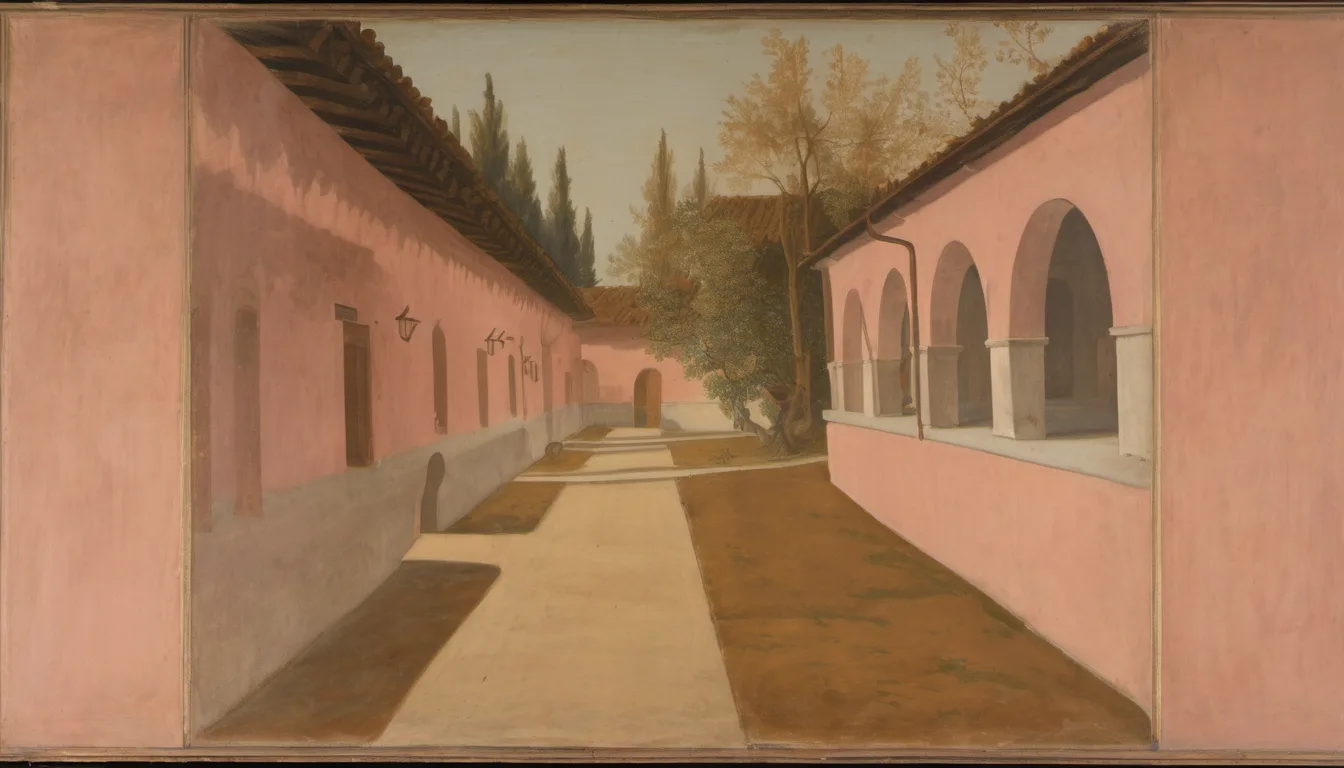
San Fernando, Spain
San Fernando does not announce itself with the theatrical flair of its neighbor, Cádiz. It is quieter, more grounded, known locally as La Isla. This is not a city of grand boulevards or sprawling plazas designed for spectacle. It is a place defined by its relationship with the water, the wind, and a history of stubborn independence. To walk here is to understand that geography is destiny. The city sits on a narrow strip of land, hemmed in by the Atlantic to one side and the Bay of Cádiz to the other. It is a place where the horizon is always present, a constant reminder of the sea that both sustains and isolates.
The one thing that makes San Fernando matter is its refusal to yield. During the Peninsular War, when Napoleon’s forces swept across Europe, San Fernando and Cádiz remained the only parts of Spain never occupied by the French. This was not merely luck; it was a deliberate, defiant act of survival. The city became the heart of Spanish liberalism, where the Cortes of Cádiz met in the Teatro Cómico to draft the first liberal constitution of Spain in 1812. This is not just history; it is the foundation of modern Spanish identity. Walking these streets, you are walking through the birthplace of constitutional freedom, a legacy etched into the very stones of the old quarter.
Why walking it rewards you is simple: the layers are visible, not hidden. You will see the Panteón de Marinos Ilustres, a solemn tribute to naval heroes, standing in quiet dignity. You will visit the San Fernando Naval Museum, where the tools of maritime power are displayed with clinical precision. But beyond the monuments, there is the pulse of daily life. The locals, known as Cañaíllas or Isleños, carry a distinct pride. They are people who have survived sieges, economic shifts, and political upheavals. Their resilience is palpable in the markets, the fishing ports, and the late-night flamenco bars where the voice of Camarón de la Isla still echoes.
This is a city that demands you look closer. It is not about checking off landmarks. It is about feeling the weight of history in the cool stone of the fortress walls and the warmth of the terracotta roofs. It is about understanding that San Fernando is not an accessory to Cádiz, but a partner in its story. The walk rewards you with a deeper understanding of Spain’s complex identity. It is a place where the past is not dead; it is alive, breathing in the sea breeze and the rhythm of the streets. Come for the history, stay for the silence, and leave with a sense of having touched something real.
San Fernando, known to its inhabitants as La Isla, occupies a singular position in the geography and history of Andalusia. It is not merely a town in the province of Cádiz; it is a peninsula of memory, a narrow strip of land that has served as a bulwark against invasion and a cradle for democracy. With a population exceeding 97,500, it is substantial, yet it maintains an intimacy that larger cities lose. The people, affectionately called Cañaíllas or Isleños, carry a distinct cultural identity, forged by isolation and resilience. To walk San Fernando is to traverse a landscape where the sea is not a backdrop but a participant, shaping the economy, the architecture, and the soul of the city.
The city’s historical significance is profound, anchored in its role during the Peninsular War (1807–1814). When Napoleon’s armies swept across Europe, San Fernando and Cádiz remained the only parts of Spain never occupied by French forces. This was not accidental. The city’s geography, surrounded by water, made it defensible. But more importantly, its people chose resistance. The Cortes of Cádiz, the assembly of deputies elected to govern Spain during the occupation, met in the Teatro Cómico in San Fernando. It was here, in these modest halls, that the groundwork was laid for the first liberal constitution of Spain, approved in 1812 in neighboring Cádiz. This document, known as La Pepa, established principles of sovereignty, national representation, and individual rights that would influence liberal movements across Europe. Walking the streets of San Fernando today, one can almost hear the debates of those deputies, the clatter of quills, and the fervor of a nation fighting for its soul.
The physical remnants of this era are subtle but present. The Teatro Cómico, though renovated, stands as a testament to this pivotal moment. It is not a grand opera house but a functional, unpretentious space that hosted the birth of modern Spanish politics. Nearby, the Puente Marqués de Ureña connects the old quarter to the rest of the city, a simple bridge that has witnessed centuries of change. The city’s layout, with its narrow streets and compact center, reflects its defensive origins. There are no sprawling avenues here; instead, there are courtyards, hidden plazas, and staircases that lead to viewpoints over the bay. This is a city built for walking, for looking, for remembering.
Naval history is another cornerstone of San Fernando’s identity. The Panteón de Marinos Ilustres, or Pantheon of Illustrious Sailors, is a solemn tribute to those who served Spain’s navy. Located in the city center, it houses the remains of notable naval figures, including Admiral Luis de Córdoba y Córdova, a hero of the Battle of Cape St. Vincent. The pantheon is a place of quiet reflection, where the weight of maritime history is felt in the cool stone and the silence. Adjacent to it is the San Fernando Naval Museum, which houses artifacts, models, and documents that trace the city’s naval heritage. The museum is not merely a repository of objects; it is a narrative of Spain’s maritime power, from the Age of Exploration to modern naval operations. Visiting it provides context for the city’s strategic importance and its enduring connection to the sea.
Cultural contributions from San Fernando are equally significant, particularly in the realm of flamenco. The city is the birthplace of Camarón de la Isla, widely regarded as one of the greatest flamenco singers of all time. Born José Monge Cruz in 1950, Camarón revolutionized the art form, blending traditional cante jondo with innovative musicality. His voice, raw and powerful, continues to resonate in the bars and clubs of San Fernando. The city honors him with statues and street names, but more importantly, it keeps his spirit alive in the performances of local artists. Other notable figures include Sara Baras, a world-renowned flamenco dancer, and Niña Pastori, a flamenco singer who has brought contemporary flair to the genre. These artists are not just celebrities; they are cultural ambassadors, carrying the story of San Fernando to the world.
The city’s political history extends beyond the 19th century. In the 20th century, San Fernando was the site of the Jaca uprising in 1930, led by Fermín Galán, a Spanish soldier who attempted to overthrow the dictatorship of Primo de Rivera. Although the uprising failed and Galán was executed, it symbolized the growing unrest that would eventually lead to the Second Republic. This event, though less known, adds another layer to the city’s narrative of resistance and change. The city has also produced notable politicians, such as Magdalena Álvarez, and artists like Anne Hidalgo, the incumbent Mayor of Paris, who was born in San Fernando. This diversity of talent reflects the city’s cosmopolitan character, shaped by its maritime connections and its role as a crossroads of cultures.
Architecturally, San Fernando is a mix of styles, reflecting its long history. The Iglesia Vaticana Castrense de San Francisco, a military church, stands as a reminder of the city’s garrison past. Its architecture is functional, yet elegant, with a simple facade that belies the rich history within. The Plaza de los Hornos Púnicos y Fenicios, a small square, hints at the city’s ancient roots, when Phoenician traders established settlements in the area. These early influences are subtle, visible only in the archaeological finds and the names of certain streets. The city’s modern architecture, meanwhile, is characterized by clean lines and practical design, reflecting the needs of a working-class population. There is no pretension here; the buildings serve their purpose, whether as homes, shops, or offices.
The daily life of San Fernando is shaped by its relationship with the sea. The fishing industry remains important, with boats returning to the port each morning, bringing fresh catch to the markets. The smell of salt and fish is pervasive, a constant reminder of the city’s livelihood. The markets are vibrant places, where locals haggle over prices, exchange news, and maintain social bonds. The food is simple and delicious, featuring seafood stews, fried fish, and local wines. The city’s culinary scene is not about haute cuisine; it is about authenticity, about flavors that have been passed down through generations. Eating in San Fernando is an act of participation in its history, a way to taste the land and sea that sustain it.
The social fabric of San Fernando is tight-knit. The concept of the barrio, or neighborhood, is strong, with each area having its own character and history. The old quarter, or Casco Antiguo, is the heart of the city, with its narrow streets, whitewashed houses, and hidden courtyards. It is a place where time seems to slow down, where neighbors know each other’s names, and where community is paramount. The newer districts, meanwhile, reflect the city’s growth and modernization. They are characterized by apartment blocks, shopping centers, and parks. Despite these changes, the sense of community remains strong, a testament to the resilience of the Isleño spirit.
San Fernando is twinned with Montigny-le-Bretonneux, France, a relationship that reflects the city’s international connections. This partnership fosters cultural exchange and mutual understanding, bridging the gap between Spain and France. It is a small but significant aspect of the city’s global identity, reminding residents that they are part of a larger world. The city also participates in various cultural festivals, including the Festival de Flamenco, which celebrates the city’s musical heritage. These events bring together locals and visitors, creating a sense of shared joy and pride. They are not merely tourist attractions; they are expressions of the city’s soul, a way of celebrating who they are and where they come from.
In conclusion, San Fernando is a city that defies easy categorization. It is not a tourist destination in the traditional sense, nor is it a mere suburb of Cádiz. It is a place with its own identity, its own history, and its own spirit. To walk San Fernando is to engage with a city that has survived invasion, revolution, and change. It is to hear the echoes of Camarón’s voice, to feel the weight of naval history, and to taste the flavors of the sea. It is to understand that San Fernando is not just a place on a map; it is a story of resilience, creativity, and freedom. Come with an open mind, walk with respect, and you will find a city that rewards your curiosity with depth and meaning.
Do not miss around San Fernando
1 placeEvery place below is a ten-to-fifteen minute walk from the last.