Sinagoga de Tomar (Museu Luso-Hebraico Abraham Zacuto)
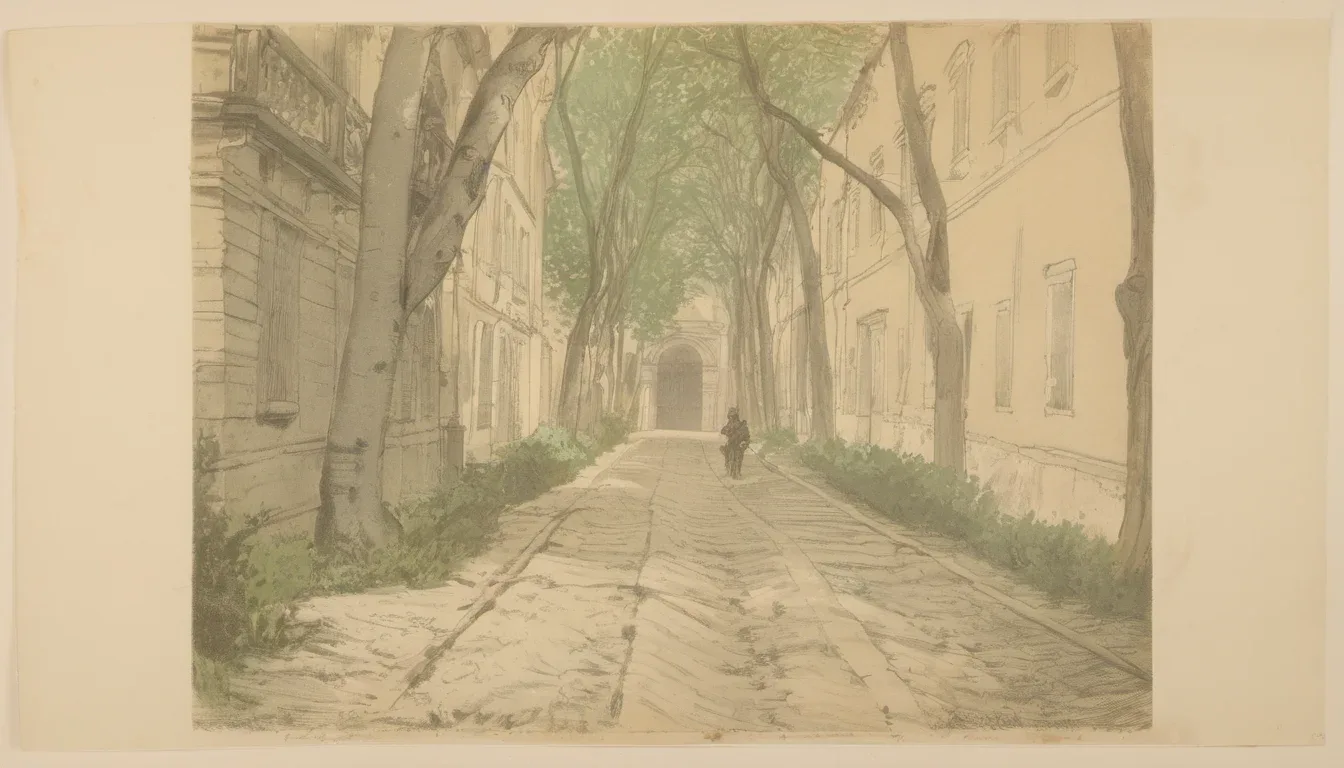
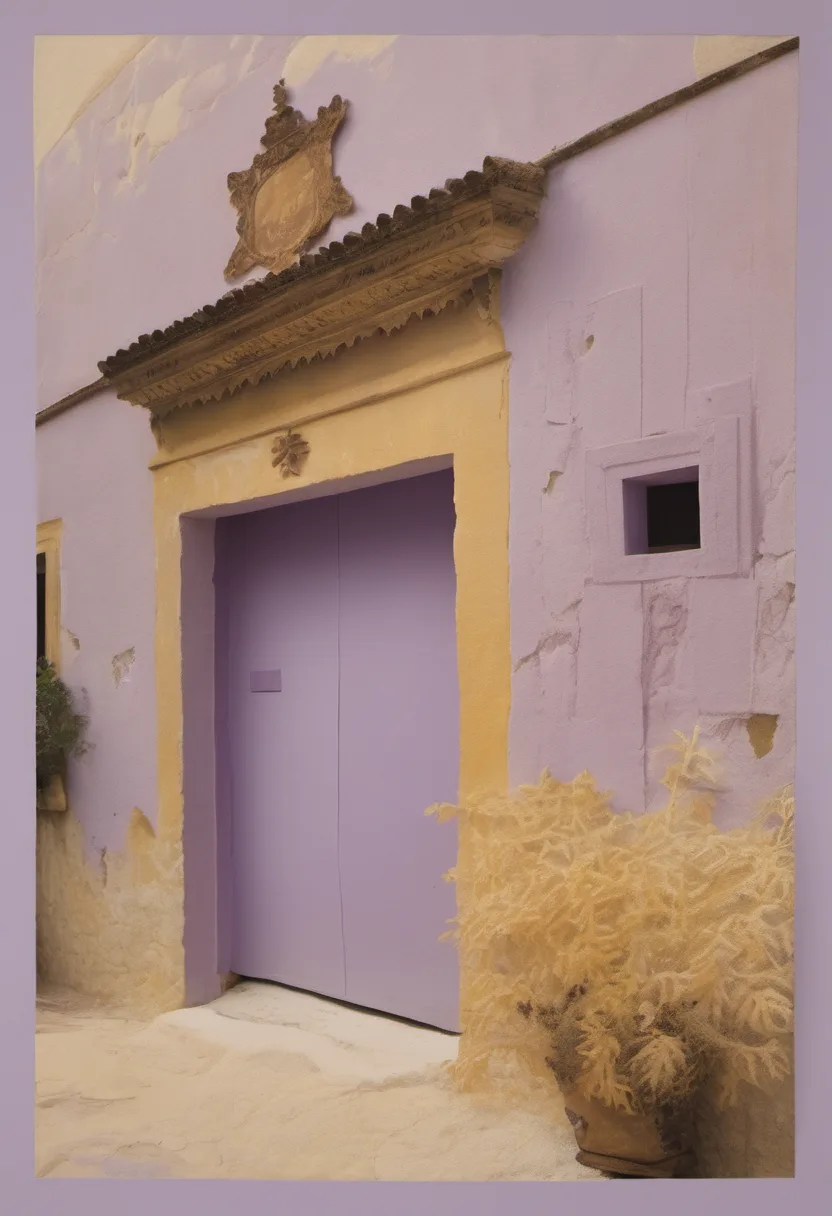
On a quiet street in Tomar's historic centre, a whitewashed building gives little away. The Sinagoga de Tomar – completed in the Gothic style around 1460 – was once the heart of a Jewish community that made up a third of the town's population. You would not know it from the outside: it mimics its neighbours, save for a Star of David above the modern entrance.
Inside, the illusion dissolves. Four columns support a vaulted ceiling, their capitals carved with geometric and vegetal motifs. The columns are thought to represent the four matriarchs; the twelve brackets, the tribes of Israel. The main medieval entrance faced east, toward Jerusalem, a pointed arch now walled up. A small museum – the Museu Luso-Hebraico Abraão Zacuto – occupies the space, holding tombstones from Jewish cemeteries across Portugal.
The synagogue was active only until 1496, when King Manuel I ordered the expulsion or forced conversion of Portuguese Jews. The building then served as a prison, later a Catholic chapel, then a hay barn and wine warehouse. It was bought in 1923 by Samuel Schwarz, a Polish Jewish engineer who restored it and donated it to the state in 1939, securing Portuguese citizenship for himself and his wife, protecting them during the Holocaust.
On a quiet street in Tomar's historic centre, a whitewashed building gives little away. The Sinagoga de Tomar – completed in the Gothic style around 1460 – was once the heart of a Jewish community that made up a third of the town's population. You would not know it from the outside: it mimics its neighbours, save for a Star of David above the modern entrance.
Inside, the illusion dissolves. Four columns support a vaulted ceiling, their capitals carved with geometric and vegetal motifs. The columns are thought to represent the four matriarchs; the twelve brackets, the tribes of Israel. The hall measures just 9.5 by 8.25 metres, intimate and deliberate. The main medieval entrance faced east, toward Jerusalem, a pointed arch now walled up. Excavations in an adjacent building in 1985 uncovered remnants of a mikveh, a ritual bath – a rare find.
The synagogue was built when Tomar's Jewish community numbered between 150 and 200 individuals – 30 to 40 percent of the town. Some had come to work for the Knights Templar and later the Order of Christ. After Spain expelled its Jews in 1492, many more settled here. But in 1496, King Manuel I ordered the expulsion or forced conversion of Portuguese Jews. The congregation disbanded.
The building may have sat empty until 1516, when a private buyer intended to turn it into the town prison – a purpose it probably served until the 1550s. At the end of the 16th century, it became a Catholic chapel, the Hermitage of Saint Bartholomew, lasting until the 1800s. Then came a hay barn and a wine warehouse. By 1920, when archaeologists first visited, the former synagogue was barely recognisable.
The government classified it a national monument in 1921. Two years later, the Polish Jewish engineer Samuel Schwarz bought it, restored it, and conducted the first excavations. In 1939, he donated the building to the Portuguese state on condition it become a museum. In return, Schwarz and his wife received Portuguese citizenship, a measure that protected them during the Holocaust. The museum opened that same year, named after the medieval Jewish astronomer Abraham Zacuto.
Today, the Museu Luso-Hebraico Abraão Zacuto holds several medieval tombstones from Jewish cemeteries across Portugal. Among its notable exhibits are a stone plate from the Lisbon Synagogue dated 1307 bearing a greeting inscription, and a 13th-century inscription from Belmonte on which the Divine Name is represented by three dots – a motif reminiscent of the Dead Sea Scrolls. The building is one of only two preserved medieval synagogues in Portugal; the other is in Castelo de Vide. Four pre-expulsion synagogues exist in neighbouring Spain, including those in Toledo and Córdoba.