Cathedral of San Ciriaco
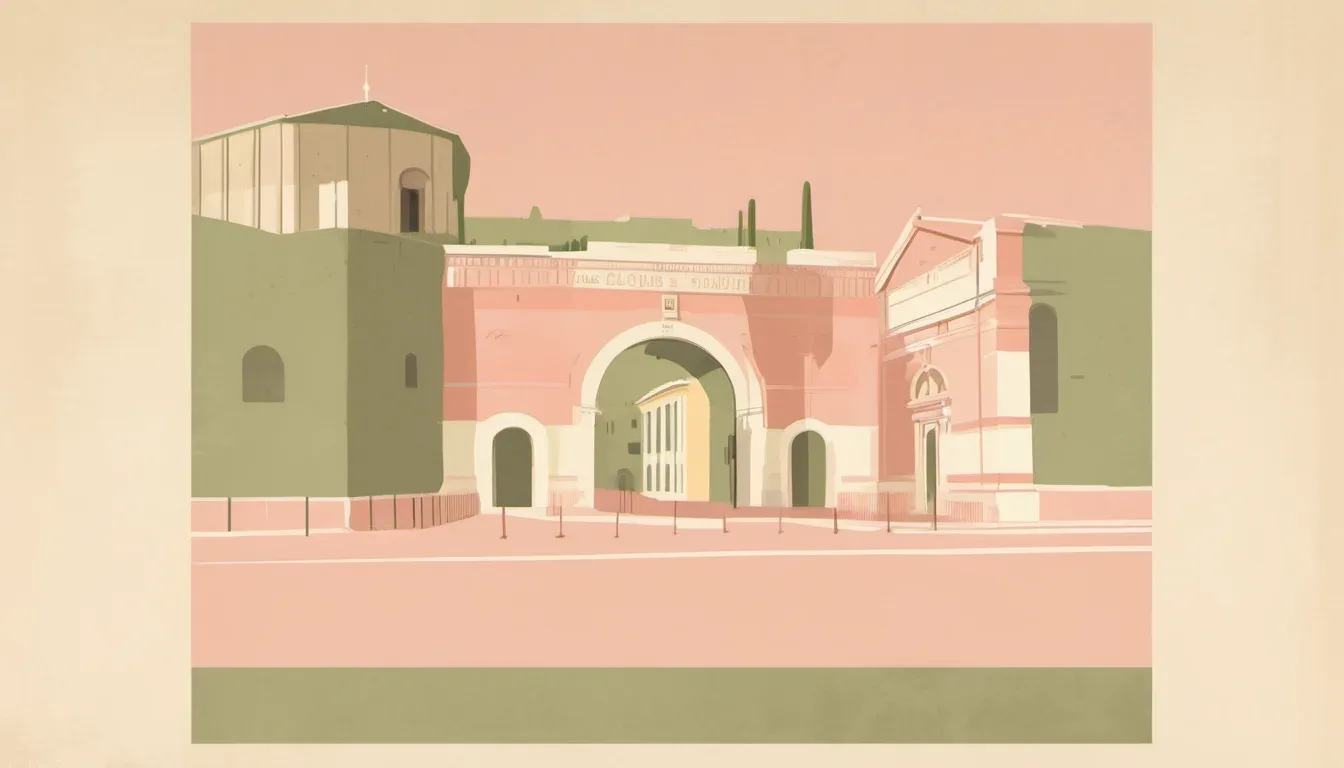
Ancona's cathedral is not just a church; it is a palimpsest of civilizations. On the Guasco hill, where a Greek temple stood in the 4th century BC, a Christian basilica was built in the 6th century. By the 10th and 11th centuries it became a cathedral, and later expansions gave it a Greek cross plan. The white stone from Mount Conero catches the sun, and the dome – one of Italy's oldest – rises above the gulf.
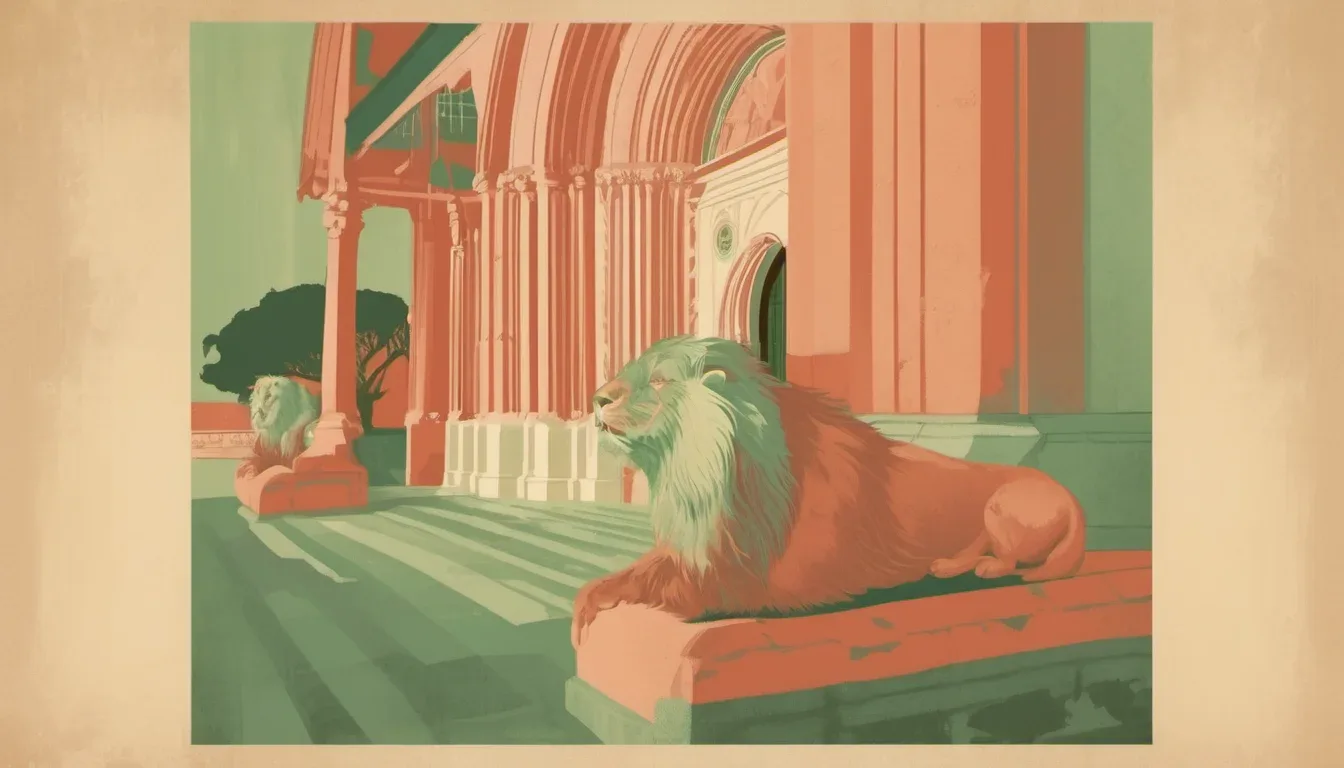
The façade is preceded by a wide staircase. The Romanesque portal, attributed to Giorgio da Como, is framed by four columns; the front two rest on red marble lions. One lion fights a basilisk, the other holds a ram. Above, reliefs of the Evangelist symbols and a large oculus complete the composition. The isolated bell tower, mentioned from 1314, stands nearby.
Inside, the Greek cross plan uses reused Roman columns with Byzantine capitals. In the south transept, the Chapel of the Crucifix has 12th-century Byzantine screens (transennae) with sgraffito figures. The Crypt of Tears below reveals the remains of the Greek temple. In the north transept, the Madonna Chapel, designed by Vanvitelli in 1739, houses a venerated 17th-century painting. Beneath it, the crypt holds the relics of Saint Cyriacus.
Ancona's cathedral sits on the Guasco hill, the former acropolis of the Greek city. Excavations in 1932 revealed a Greek temple from the 4th century BC on this spot. A Christian basilica replaced it in the 6th century, and the church was enlarged between the 10th and 11th centuries to become a cathedral. Later, between the late 12th and early 13th centuries, the building was given a Greek cross plan and reoriented to face the port. The result is a layered monument of Romanesque-Byzantine and Gothic forms.
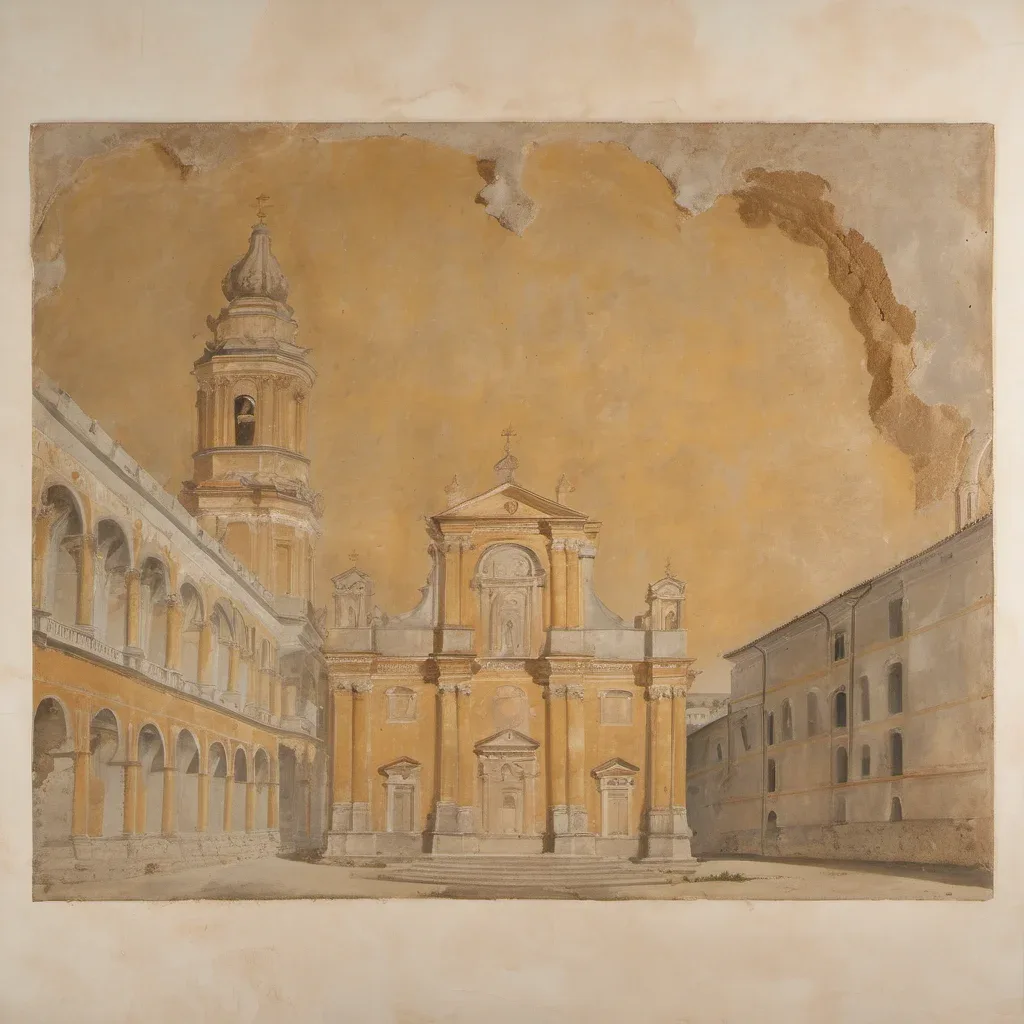
The exterior is built in white stone from Mount Conero. A wide staircase leads to the 13th-century Romanesque portal, attributed to Giorgio da Como. Four columns support a round arch; the front two rest on lions in Veronese red marble. The lion on the right fights a basilisk, the one on the left holds a ram. Under the arch are reliefs of the Evangelist symbols. Above the portal, a large oculus sits between two single mullioned windows. The isolated bell tower, mentioned from 1314, was built over a pre-existing late 13th-century tower.
The dome is one of the most ancient in Italy, ogival in shape with a dodecagonal drum. It is attributed to Margaritone d'Arezzo around 1270. A copper cover was added in the 16th century. Along with St. Mark's Basilica and Sant'Antonio in Padua, it was one of the few churches of its time with a dome over the crossing.
Inside, the Greek cross plan features reused Roman columns with Byzantine capitals. The dome's pendentives display Byzantine-style praying angels. All arms have hull-shaped, painted wooden vaults from the 15th century. In the south transept is the Chapel of the Crucifix, enclosed by Byzantine transennae of 1189. The sgraffito tiles depict King David, the Annunciation, Archangel Gabriel, Saint John the Evangelist, Jeremiah, Habakkuk, and Saint Cyriacus. On the opposite side, animals appear: two phoenixes on a pomegranate tree, an eagle with a rabbit, two peacocks on a tree, and two gryphons on a lily tree.
Beneath the south transept lies the Crypt of Tears, where visitors can see the exposed archaeological area of the Greek temple. The north transept houses the Madonna Chapel, a lavishly decorated niche designed by Luigi Vanvitelli in 1739 for a 17th-century image of the Virgin. Below the chapel is a crypt with the marble case of Saint Cyriacus, the relics of Saints Liberius and Marcellinus in Sicilian jasper, and the ashes of Saint Palatia. The urns with bronze festoons were executed by Gioacchino Varlè between 1757 and 1760.
The cathedral has survived wars and restorations. In 1883, Giuseppe Sacconi – who later designed the Altar of the Fatherland in Rome – stripped away Baroque overlays to restore the medieval austerity, while preserving Vanvitelli's pulpit. World War I and World War II bombings caused damage, each time repaired.
Artists have long been drawn to this hilltop silhouette. Vittore Carpaccio included the cathedral in his 1502 painting 'St. George and the Dragon'. Giovanni Bellini placed it in 'The Martyrdom of Saint Mark' (1526) and 'The Crucifixion' (1530). Pinturicchio used it in 'Pius II arrives in Ancona', and Antonio Danti painted the cathedral from the sea in a Vatican Gallery map. Even earlier, a scene on Trajan's Column (115 AD) shows the hill with a temple – likely the Temple of Venus, whose remains are visible under the current cathedral.