San Michele in Bosco
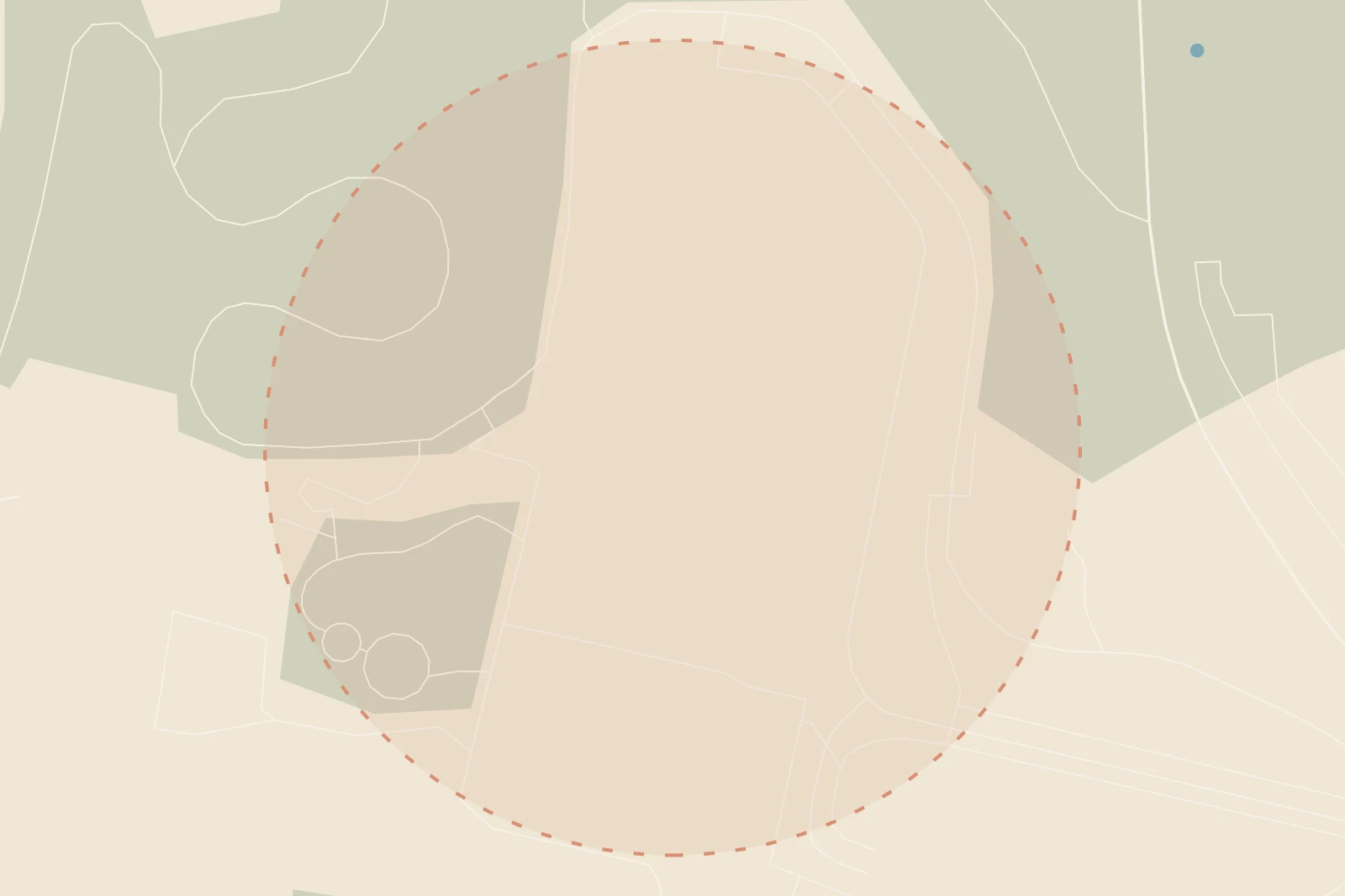
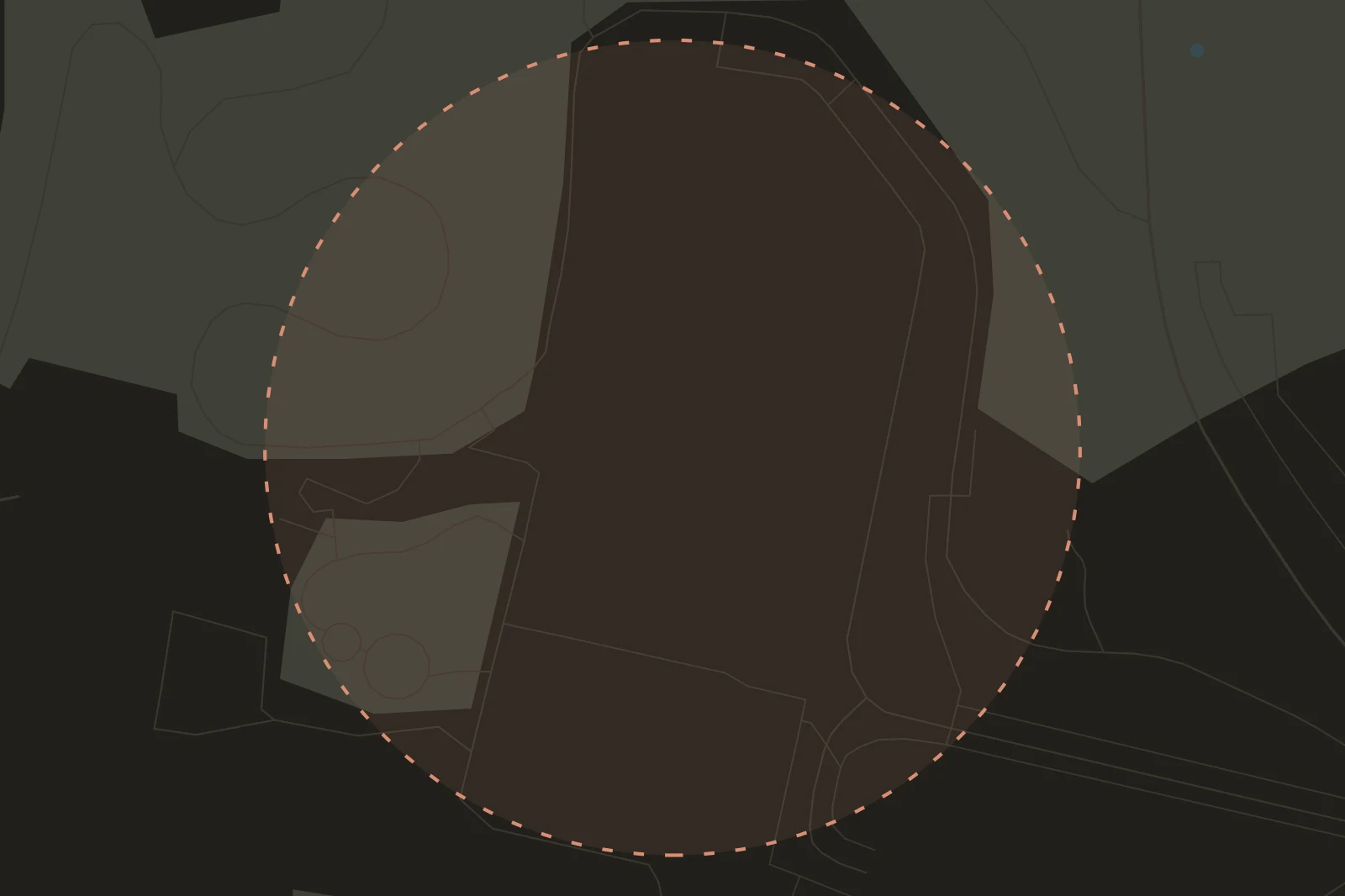
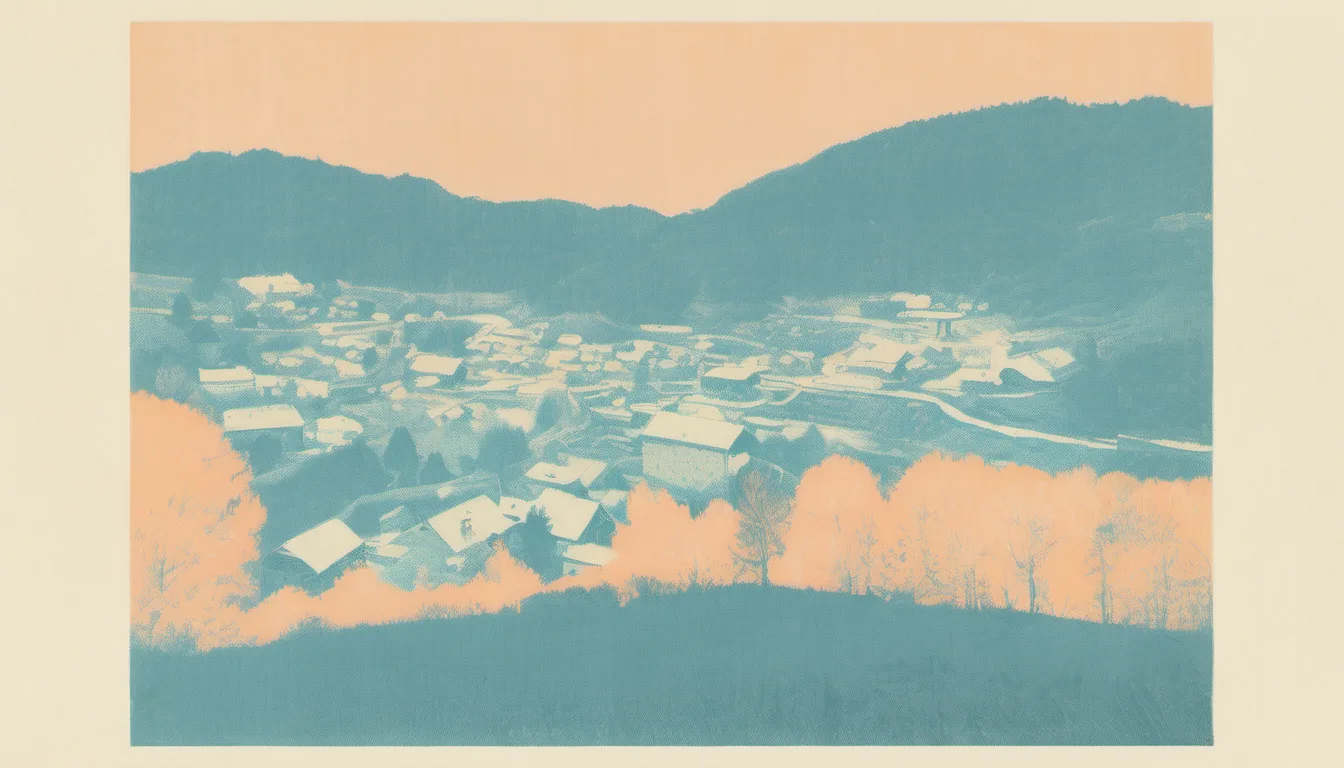
Bologna reveals itself from up here in pieces: the two leaning towers, the terracotta roofline, the flat run of the plain beyond. San Michele in Bosco sits on a hill just south of the historic center — close enough to reach on foot, far enough to have spent sixteen centuries as its own small world: monastery, fortress, barracks, prison, and finally one of Italy's most respected hospitals.
Monastic structures stood here as early as the 4th century, dedicated, as remote shrines often were, to the Archangel Michael. Tradition holds that Gothic raiders scattered the first community in the early 400s; Hungarian invaders finished the job in 906. Recovery was slow — Augustinian monks had settled in by 1107. Plague and the Visconti occupation emptied the place again between 1348 and 1359. Olivetan monks took over in 1364, at the will of Pope Urban V; Spanish troops occupied part of the complex in the 1540s, and it took until 1564 for a papal legate to formally hand the monastery back to them. The two centuries after were the good ones: schools of learning and music flourished.
Napoleon ended that run. The monks were expelled in 1797, the buildings turned into a barracks, then in 1804 a prison for men sentenced to life; Franciscan friars arrived in 1838. The church, destroyed once already in 1430, was rebuilt in stages by 1523 — Rossetti behind the Renaissance façade, Peruzzi behind the marble portal. Inside, a single nave runs past four side chapels to the presbytery. The octagonal cloister stands alone among Bologna's monasteries; Ludovico Carracci and his studio covered it with frescoes of St Benedict and the martyrs Cecilia, Tiburzio and Valerian. The technique aged badly — what survives is fragments — but engravings made from the originals kept their influence alive.
The building's strangest feature is a corridor, not a fresco. Walk down it looking back at the Torre degli Asinelli and the tower appears to grow rather than shrink — a trick Bolognese call the effetto cannocchiale, studied in earnest by scholars at the University of Bologna. The corridor ends at a belvedere delivering the same skyline without the illusion: the garden below, restored in 2010 to its late-19th-century form, had let its trees grow tall enough to block the view until the restoration cut them back.
The hospital came later. In 1880, the surgeon Francesco Rizzoli left a bequest to found an institute meant to advance science and relieve suffering. King Umberto I inaugurated it in 1896; the monastery buildings weren't handed over to house it until 1955. Since then, the Rizzoli Orthopedic Institute has ranked among the best of its kind anywhere. The number 30 bus gets you up the hill today — a plainer way than the funicular that once climbed here for the 1888 Grande Esposizione Emiliana.
Bologna reveals itself from up here in pieces: the two leaning towers first, then the terracotta roofline, then the flat run of the Po plain beyond. San Michele in Bosco sits on a hill just south of the historic center — close enough to reach on foot, far enough to have lived sixteen centuries as its own small world. It has been, in turn, a monastery, a fortress, a barracks, a prison, and finally one of Italy's most respected hospitals. The corridor that ties it all together produces an optical illusion so precise it has its own scientific literature.
The hill held monastic structures as early as the 4th century. Like most shrines built on remote or elevated ground, it was dedicated to the Archangel Michael. Tradition — and the record is careful to call it tradition, not documented history — holds that Gothic raiders scattered the original cenobitic community in the early 5th century. Hungarian invaders destroyed whatever had been rebuilt in 906. Recovery, again, was slow: Augustinian monks had reestablished a presence by 1107, and documents from 1120 and 1204 still describe the house.
The 14th century was worse. Plague and the occupation of Bologna by the Visconti depopulated the monastery between 1348 and 1359, and for long periods the site functioned as a fortress rather than a religious house. In 1364, at the will of Pope Urban V, Olivetan monks moved in. Their possession of the place was no guarantee of peace: in the 1540s, Spanish troops serving the Holy Roman Emperor occupied part of the complex, and the site went through nearly two centuries of neglect before Cardinal Androvino della Rocca, acting as papal legate, formally handed it back to the Olivetans in 1564.
What followed was the monastery's best stretch — two centuries in which it hosted schools of learning and music. Napoleon ended it. The French occupation of 1797 expropriated the complex and expelled the monks; the buildings became a barracks, then in 1804 a prison — a "house of strength" for men sentenced to life. Franciscan friars arrived in 1838, by which point the site had cycled through nearly every institutional use except its original one.
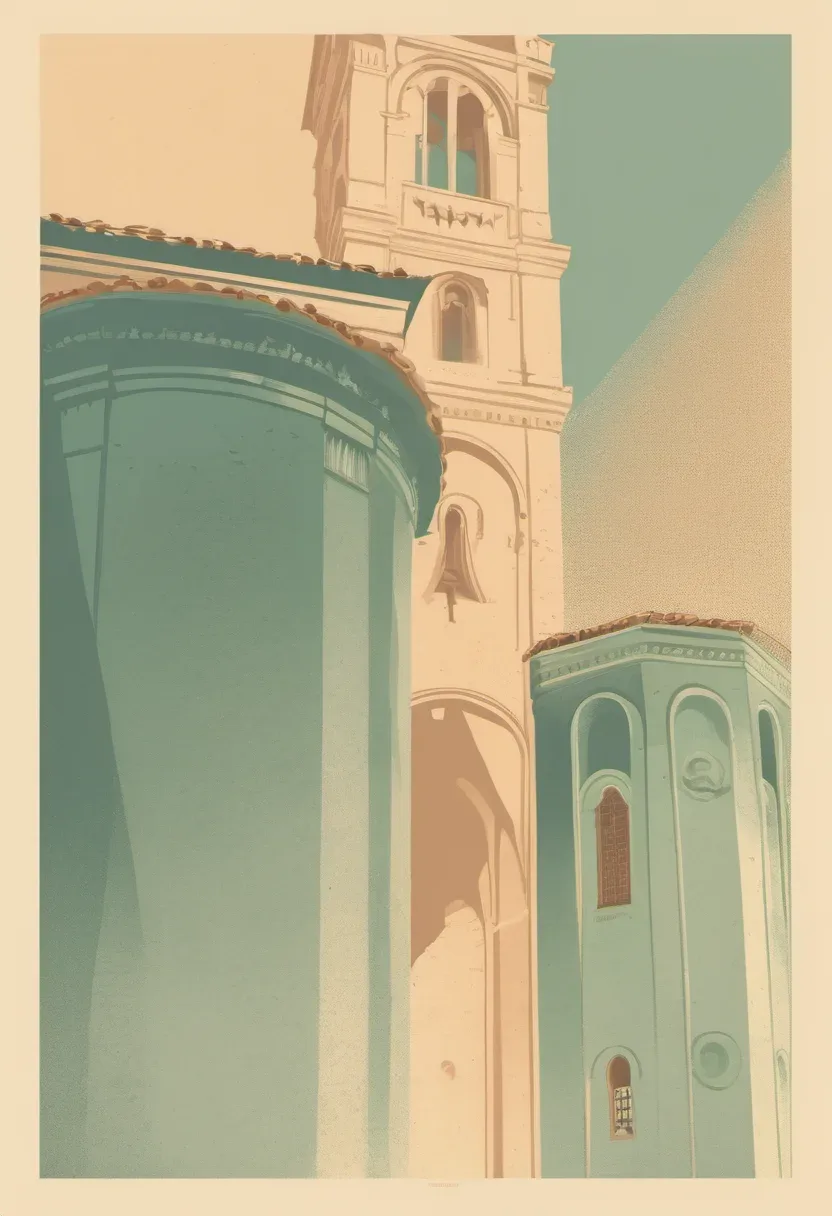
The church tells a parallel story of destruction and rebuilding. It was destroyed in 1430 and reconstructed over the following decades, largely complete by 1523, with the builder Gaspare Nadi among those who worked on it. The Renaissance façade is the work of Biagio Rossetti and his workshop; the marble portal, from 1521, was designed by Baldassarre Peruzzi and carved by Giacomo da Ferrara and Bernardino da Lugano. Inside, a single nave runs past four side chapels to a presbytery closed off by screens. The organ in the choir loft dates to 1524-26, built by Giovanni Battista Facchetti and altered more than once since; its wooden case, in five bays, was richly decorated by fra' Raffaele da Brescia in 1525. Four bells hang in the tower, cast by the Broili foundry of Udine in 1958 and tuned to A major — fully electrified now, which means they ring "a distesa" but can no longer be rung by hand in the traditional Bolognese "a doppio" style.
The convent, finished in the late 16th century, centers on an octagonal cloister — a shape unique among Bologna's monasteries, designed by Pietro Fiorini and built between 1602 and 1603. Ludovico Carracci and pupils including Alessandro Albini frescoed it with scenes from the life of St Benedict and the martyrdoms of Cecilia, Tiburzio and Valerian, worked in oil on plaster and broken up by painted telamons. The technique has aged badly; what survives is fragments. Engravings made from the frescoes in their prime, though, proved influential well beyond Bologna. Giorgio Vasari worked here too, painting frescoes and three panels for the refectory in 1539-40; one panel is lost, the other two now hang in Bologna's Pinacoteca Nazionale, leaving only a copy in the original room.
Fiorini kept building through the turn of the 17th century: the lateral arm of the dormitory in 1567, a grand staircase in 1588, the Chiostro del Pino in 1590 — later decorated by Cesare Baglioni — and the guest quarters, or foresteria, in 1592.
Napoleon's armies didn't just expel the monks; they took the art too. Of thirty-one works shipped from Bologna to France in July 1796, only sixteen came back after the Congress of Vienna. Guercino's San Bernardo che riceve la regola dalla Vergine was not among the returns — it stayed in France and was destroyed in a fire in Bordeaux in 1871.
None of this is what the complex is best known for locally. That would be the corridor — the same one linking the monastery to its famous view — which produces the effetto cannocchiale, or "vista paradox." Walk down it away from the Torre degli Asinelli and the tower appears to grow larger the further you get; walk toward it and the tower shrinks. The illusion is old, but it took Marco Costa and Leonardo Bonetti of the University of Bologna to study it scientifically.
The corridor ends at a belvedere that had been useless for decades, its view of Bologna blocked by the overgrown canopy of the garden below — the Giardino Remo Scoto, once the monastery's park. A 2010 restoration returned the garden to its late-19th-century form and, in the process, opened the view back up.
Getting here changed too. Between 1888 and 1889, a funicular connected San Michele in Bosco to the Giardini Margherita, inaugurated for the Grande Esposizione Emiliana. Today it's the number 30 bus, which runs from Sostegno and ends at a stop bearing the monastery's name. The hospital that now occupies the buildings traces to a bequest left in 1880 by the orthopedic surgeon Francesco Rizzoli, who wanted the institute to advance both science and "the relief of suffering humanity." King Umberto I inaugurated it in 1896, though the monastery buildings themselves weren't acquired to house it until 1955. In the century since, the Rizzoli Orthopedic Institute has ranked among the best orthopedic hospitals anywhere.