Domus del Chirurgo
Rimini earns most of its living on the sand. The first bathing establishment opened in 1843, and the coast has been in that business ever since. Walk a few streets inland and the register changes. The centre is still cut by two axes, cardo and decumanus, the Roman grid holding its shape under later paving. This was Ariminum, a colonia founded by the Roman Republic in 268 BC at the mouth of the river then called the Ariminus, now the Marecchia.
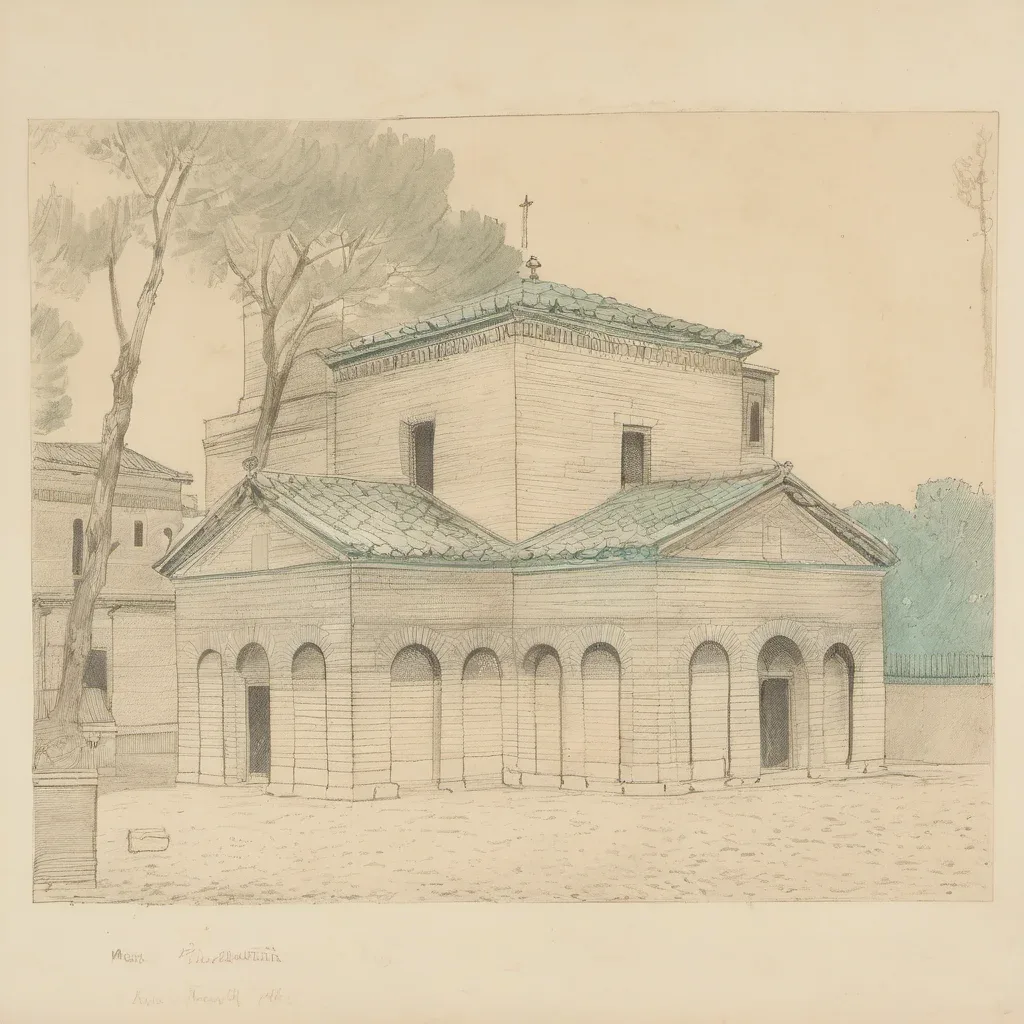
The Domus del Chirurgo is named for a Roman house, and for a physician. That is the name the site carries; the household's story sits outside what can be confirmed here, so take the surgeon as a title rather than a biography. The setting is firmer ground. Ariminum was built as a bastion against Celtic invaders and as a springboard for the conquest of the Padana plain, a garrison idea that turned into a city.
Roads made it. The Via Flaminia ended here, at the Arch of Augustus, erected in 27 BC. The Via Aemilia struck off to Piacenza; the Via Popilia ran north. Tiberius completed a five-arched bridge of Istrian stone in 21 AD, and it still stands. An amphitheatre seated twelve thousand. Julius Caesar, having crossed the Rubicon, is said to have made his appeal to the legions in the forum of this town.
Then the arrangement came apart. The end of Roman rule brought invasions and wars, and with them destruction, though also the palaces of imperial officers and the first churches. The Ostrogoths took Rimini in 493. During the Gothic War it was taken and retaken. What survives above ground is fragmentary, and much of the modern city was rebuilt after the Second World War. Which is why a house, kept low and intact, is worth the detour.
Rimini is a beach town by trade. The first bathing establishment opened in 1843, and the shoreline has run on that logic ever since. Turn inland and the argument changes. The old centre is still ordered by two crossing axes, cardo and decumanus, a Roman grid that later centuries paved over rather than erased. The Domus del Chirurgo sits inside that geometry.
Start with why the town exists. The area held Etruscans, then Celts from the sixth century BC until the Umbri defeated them in 283 BC. Fifteen years later, in 268 BC, the Roman Republic planted a colonia at the mouth of the Ariminus, the river now called the Marecchia, and named it Ariminum. It was conceived as a bastion against Celtic invaders and as a springboard for taking the Padana plain.
Roads did the rest. The Via Flaminia terminated here, at the Arch of Augustus, erected in 27 BC and still standing. The Via Aemilia struck inland to Piacenza. The Via Popilia ran north. Sea and river trade opened alongside them. A place at the southern tip of the Po Valley, on the strategic north-south passage along the coast, was never going to stay a garrison for long.
The building went accordingly. Tiberius completed a five-arched bridge of Istrian stone in 21 AD; it is still there. An amphitheatre held twelve thousand. Later, Galla Placidia raised the church of Santo Stefano. The town also acquired a habit of standing at the centre of other people's arguments: it took the popular party in the civil wars of the first century, first under Gaius Marius, then under Julius Caesar.
Caesar's connection is the one everybody repeats. Having crossed the Rubicon, he is said to have made his appeal to the legions in the forum of this town, an episode the record treats as legendary rather than documented. Hold it loosely. The same applies to the surgeon who gives the domus its name: the title has come down with the site, but the household behind it is not something we can vouch for here.
Christianity arrived and stayed. The city hosted the Council of Ariminum in 359, and the first churches went up alongside the palaces of imperial officers, new construction in a period otherwise marked by invasion and wreckage. When the Ostrogoths took Rimini in 493, Odoacer, besieged in Ravenna, had to capitulate. During the Gothic War the town was taken and retaken. Narses beat the Alamanni nearby in 553.
Byzantine rule made it part of the Duchy of the Pentapolis, under the Exarchate of Ravenna. Later came the Lombards, the Holy See, and, from 1239, the Malatesta, who held authority, with interruptions, until 1528. Sigismondo Pandolfo, the most famous of them, had the Tempio Malatestiano rebuilt by Leon Battista Alberti and spent much of his life fighting to keep the city independent.
Much of Rimini was destroyed in the Second World War; the city earned a gold medal for civic valour for its partisan resistance. It rebuilt, filled up with trade fairs, and gave the world Federico Fellini. Against all that churn, the appeal of a Roman house held below street level is simple. Everything above it has been knocked down and put back at least once. This has not.