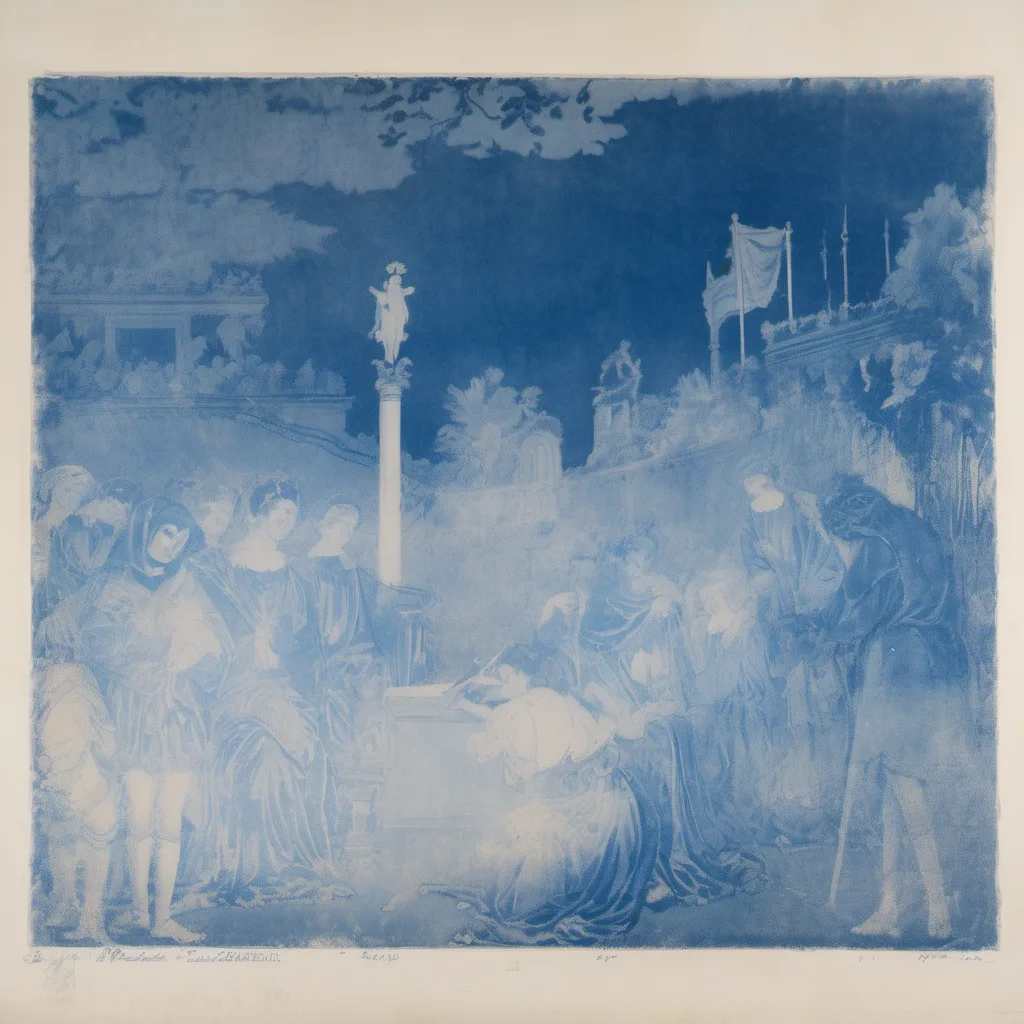
Oratorio di Santa Cecilia
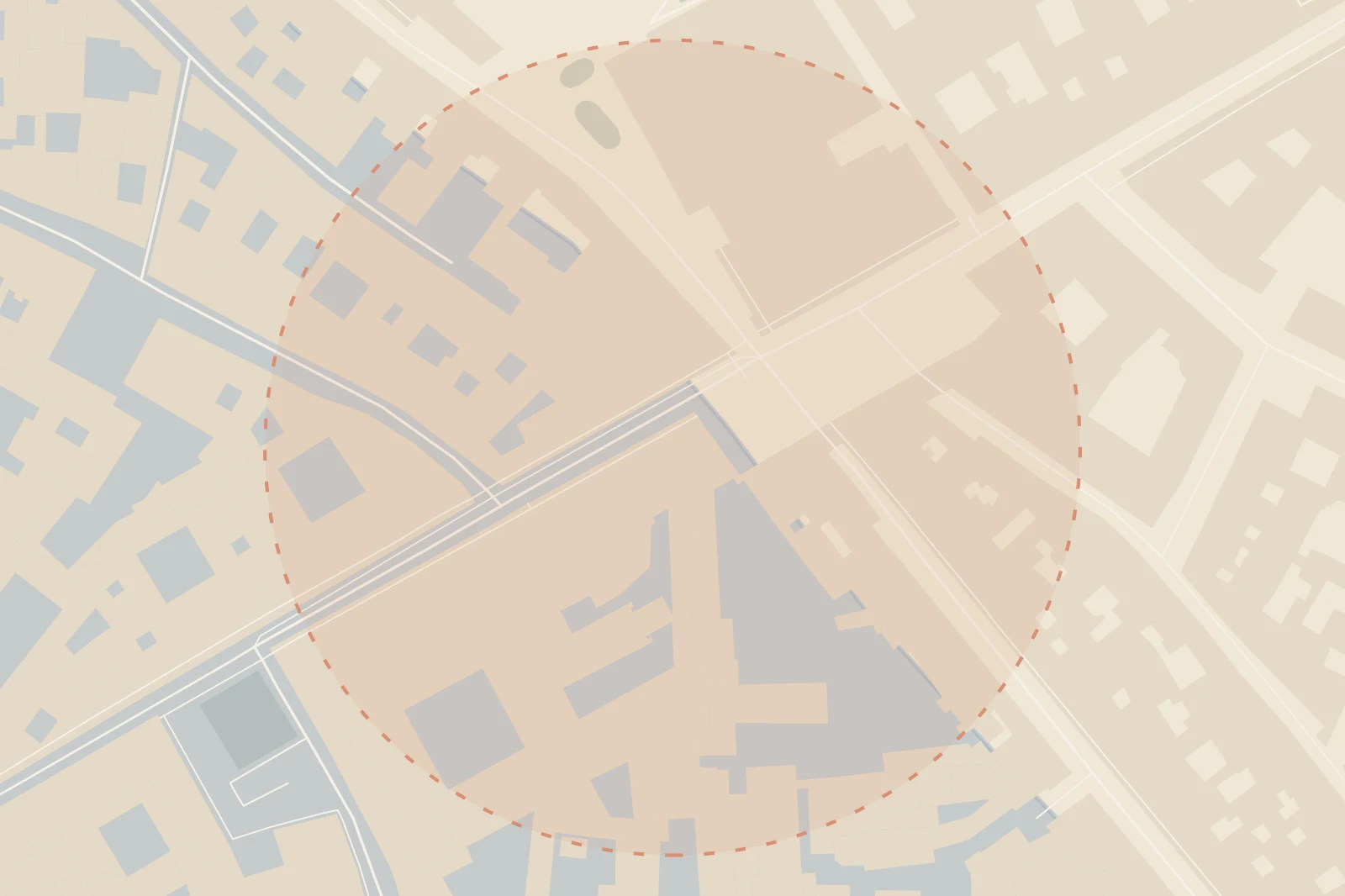
Behind the portico of San Giacomo Maggiore, a door on Via Zamboni opens onto a room Bologna sometimes calls its Sistine Chapel. The comparison is local pride more than fact - this is a single vaulted hall, not a basilica ceiling - but the density holds up. Ten fresco panels run down both side walls, painted in just two years by a roster of the city's sharpest Renaissance hands. Nobody planned it as a tourist stop. It was a confraternity's oratory, tucked behind a bigger church, and it still feels like something you have to know to find.
The building's own history predates the church next door. A thirteenth-century document already places it here before San Giacomo Maggiore existed. In 1267 the site passed to the Augustinian Hermits, who took real possession in 1323, their new convent still half-built beside it. The original oratory did not survive; in 1359 Bologna's bishop authorized the Hermits to rebuild it, and it was reworked again later in the fifteenth century. In 1483, as the Bentivoglio family raised their own chapel next door under the patronage of Giovanni II Bentivoglio, then Bologna's ruling lord, the builder Gaspare Nadi resized the little oratory to fit the new arrangement.
What makes it worth the detour came later, and fast. Starting in 1505, painters tied to the Bentivoglio court, among them Francesco Francia, Lorenzo Costa and Amico Aspertini, frescoed the flanking walls in just two years. Ten panels, separated by pilasters painted with grotesque ornament, tell the story of Cecilia and her husband Valerian in sequence: their marriage, his conversion and baptism by Pope Urban, the couple crowned by an angel, the martyrdom of Valerian and his brother Tiburtius, Cecilia's trial before the prefect, her own martyrdom, her gift of her wealth to the poor, and finally her burial. Attribution is not settled panel by panel; Chiodarolo, Tamaroccio, Bagnacavallo and Pupini are all credited with parts of it, while only the two martyrdom-and-burial scenes are firmly given to Aspertini.
The altar carries a Crucifixion attributed to Francia, painted for this exact space, though sources differ on exactly which Francia. A fragmentary fourteenth-century fresco once stood outside the chapel too, evidence of how long this small footprint has mattered to the neighborhood. Today the oratory is used as a concert hall, partly in honor of its dedication to Saint Cecilia, and keeps regular visiting hours alongside the performances.
Most people on Via Zamboni are headed elsewhere, or straight to the church out front, and walk past the door without a glance. That is the appeal. Step inside and the street noise drops away, replaced by ten small, crowded paintings doing quietly what the basilica next door does loudly, in a room built to be found only by those who know to look for it.
Behind the portico of San Giacomo Maggiore, a door on Via Zamboni opens onto a room some in Bologna call the city's Sistine Chapel. It is a nickname, not a claim of scale - this is a single vaulted hall, not a basilica ceiling, and there is no Michelangelo in it. What earns the comparison is density. Ten fresco panels line both side walls, painted by a full roster of the city's sharpest Renaissance talent in barely two years. The building started as something humbler still: a confraternity's oratory, dedicated to Cecilia and her husband Valerian, tucked against the back of a much bigger church. It has stayed exactly that size ever since, which is part of why so many people walk straight past the door.
The site's own history is older than the church that now half-hides it. A thirteenth-century document already places a building here, before San Giacomo Maggiore itself existed. In 1267 the site passed to the Augustinian Hermits, though they did not take real possession until 1323, moving in while their adjacent convent was still under construction. Nothing of that first structure survives. In 1359 the bishop of Bologna authorized the Hermits to rebuild the oratory from the ground up, and the building was reworked again later in the fifteenth century, this time more drastically.
The reason was next door. The oratory had originally faced the street with its own facade, but the construction of Bologna's porticoes swallowed that frontage, and in 1483 the building had to be resized to cope. That same year the Bentivoglio family was raising its own private chapel immediately alongside, under the patronage of Giovanni II Bentivoglio, then the effective ruler of Bologna, and the new chapel ate further into the little oratory's footprint. The builder responsible for fitting it all together was Gaspare Nadi.
What makes the oratory worth finding came after the walls were finally settled, and it came fast. Starting in 1505, a group of painters closely tied to the Bentivoglio court took on the side walls together. Francesco Francia, Lorenzo Costa and Amico Aspertini led the effort, working alongside Giovanni Maria Chiodarolo, Cesare Tamaroccio, Bartolomeo Bagnacavallo and Biagio Pupini. The whole cycle, ten panels in total, was finished in about two years - a fast turnaround for a job this dense, and one reason the room still feels like a single, coherent thought rather than a patchwork.
The panels are divided by pilaster strips painted with grotesque ornament, and read in sequence from the altar. The story opens with the marriage of Cecilia and Valerian, painted by Francia, then moves to Valerian's conversion by Pope Urban, credited to Costa, and his baptism, attributed to Chiodarolo and Tamaroccio working together. A fourth panel shows the couple crowned by an angel, attributed to Bagnacavallo and Pupini. Attribution loosens here rather than tightens; the sources agree on the broad hands involved but not always on exactly who painted what.
The second half of the cycle turns darker. Amico Aspertini is the one attribution nobody disputes, credited firmly with both the martyrdom of Valerian and his brother Tiburtius and the burial of the martyrs that follows it. After that comes Cecilia's own trial before the prefect Almachius, again attributed to Bagnacavallo and Pupini, then her martyrdom, attributed to Chiodarolo and Tamaroccio as a pair. The final two scenes soften the violence: Cecilia giving away her wealth to the poor, painted by Costa, and her burial, painted by Francia, closing the cycle exactly as it opened, with the same hand.
The room itself is plain by comparison with what is painted on it: a single nave under a low barrel vault, built to hold a small congregation and not much else. Later painters kept adding to it after the main cycle was finished - Francesco Cavazzoni, Tiburzio Passarotti and Cesare Baglioni all contributed to these or later works - and fragments of fresco from the same period survive outside as well, in the portico that now fronts the building. They are easy to miss if you are not looking down at the arcade rather than up at the church facade.
At the altar sits a Crucifixion attributed to Francia, made for this space specifically rather than moved in later - though exactly which Francia, and where the panel stands today, is not entirely settled between sources. A fourteenth-century fresco once stood outside the chapel too, a fragment of an even older decorative campaign, evidence that this small footprint has mattered to the neighborhood for far longer than the famous cycle inside it.
Today the oratory is put to use a second time over. Beyond its regular visiting hours, it now doubles as a concert hall, a use the building takes partly in honor of its dedication to Saint Cecilia. The frescoes were not made with acoustics in mind, but the pairing still works: a small, densely painted room, quiet most of the week, occasionally filled with sound instead of visitors.
Most people on Via Zamboni are headed somewhere louder - the church out front, the street beyond it, wherever they were already going - and never notice the door. That is still the appeal, five centuries on. Step inside and the street drops away, replaced by ten crowded little paintings doing patiently what the basilica next door does at full volume: telling one story, from marriage to burial, in a room built to be found only by the people who already knew to look for it.