MIC — Museo Internazionale delle Ceramiche
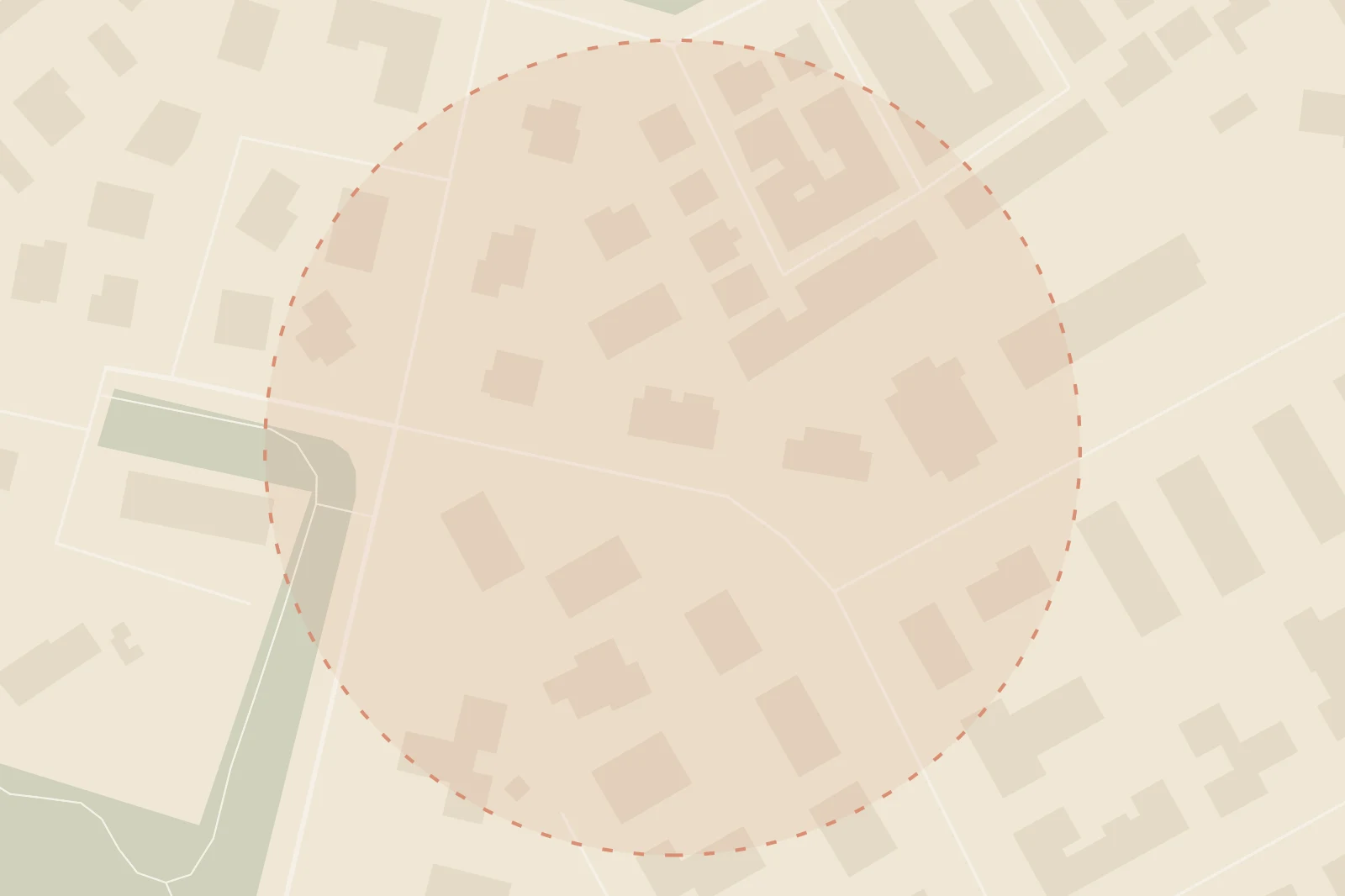
Say faience out loud and, without meaning to, you are saying Faenza. The French borrowed the town's name for tin-glazed earthenware because Faenza's kilns had already made the reputation global. Fewer than sixty thousand people live here, in the Province of Ravenna, where the Lamone River crosses the Via Emilia between Imola and Forlì, each about 15 kilometers off. It is a modest setting for a name that traveled so far: a foothill town at 35 meters, where the Po Valley meets the first rise of the Apennines.
The record turns solid with Rome in the 2nd century BC, after a hazier, half-mythical founding story. Charlemagne handed the territory to the Papal States in 774, and through the Middle Ages Faenza built the communal governance common across northern Italy. The Manfredi family rose to power here, strong enough to pull the city into the wars against Frederick II, besieged more than once for siding with the Lombard League. Papal rule returned in the 16th century, and later came an unlikely second act: a ceramics town turned into one of Europe's centers of Neoclassicism, its streets reworked by architects Pistocchi, Antolini, and Tomba. Wartime bombing tore through much of that fabric; the Allies liberated the city, and its people earned Italy's War Cross of Military Valor for the partisan resistance before it.
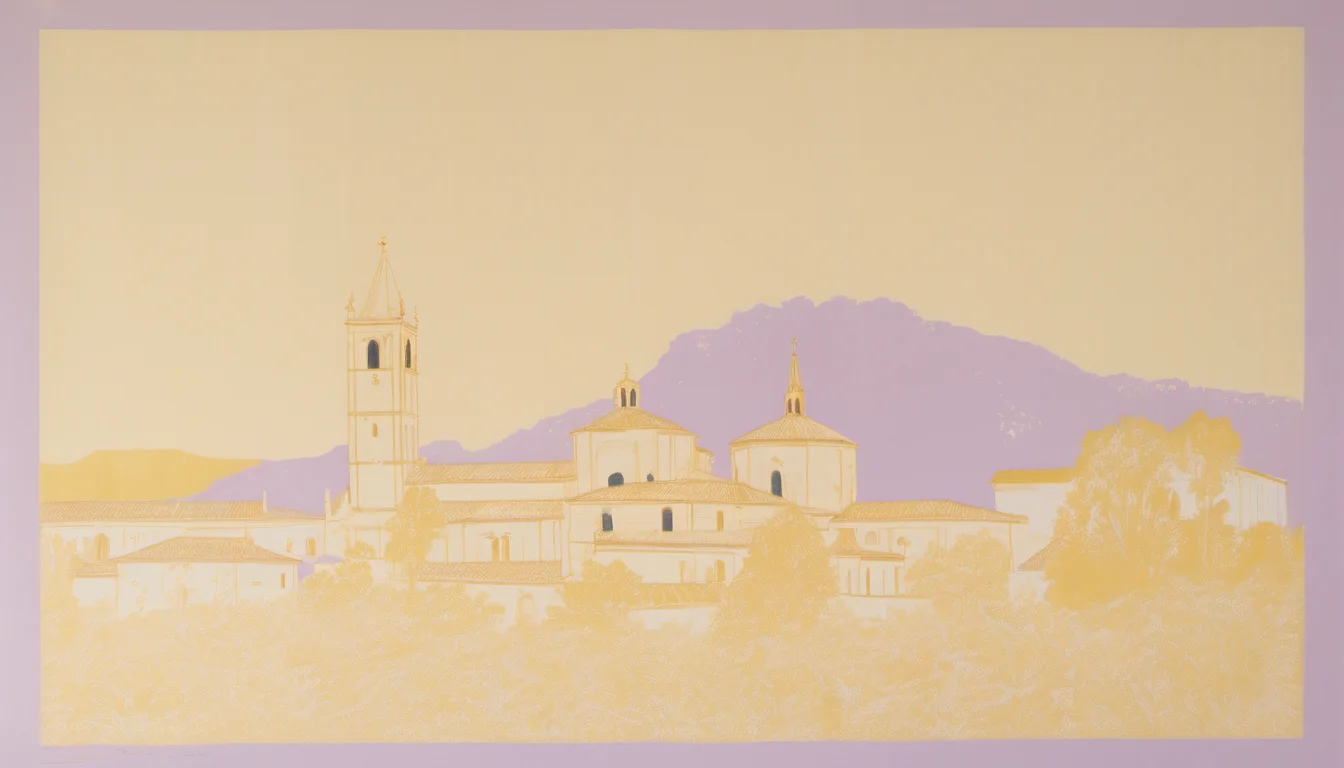
Little from before the year 1000 stands whole. The bell tower of Santa Maria ad Nives dates to the 9th or 10th century; the Church of the Commenda, around 1100, is the oldest church preserved complete. Where the Roman cardo met the decumanus, the Civic Tower rises — begun 1604, quadrangular, five stacked orders under a dome, a marble Madonna in a wrought-iron niche at its foot. The cathedral, designed by Giuliano da Maiano, took from 1474 past 1515 to finish, its facade never completed. The city's emblem, formalized in 1928, is a red rampant lion gripping a sword beneath a blue field of gold fleurs-de-lis — a Guelph mark tied to the house of Anjou.
None of this happened despite the ceramics; it happened alongside them. Faenza's maiolica was renowned enough, early enough, that the world adopted the town's own name as the generic word for the craft. The National Ceramic Council still lists Faenza among Italy's established ceramic traditions, and in October 2025 UNESCO named it a Creative City for Crafts and Folk Art. MIC stands inside that inheritance, the throughline of the town's history, built to keep Faenza's furnace-fired identity legible after the kilns that earned the reputation went quiet.
Come for the word itself: a category of glazed pottery, named for one small Romagna town on the Via Emilia. Everything else — the Manfredi sieges, the unfinished facade, the lion on the coat of arms — is the long context around that one fact.
Say faience out loud and, without meaning to, you are saying Faenza. The French borrowed the town's own name for tin-glazed earthenware, because by the time the word needed coining, Faenza's kilns had already made the reputation global. It is a modest place to have lent the world a noun: fewer than sixty thousand people, in the Province of Ravenna, where the Lamone River crosses the Via Emilia on the flat run between Imola and Forlì, each about 15 kilometers off — Ravenna itself is 35 kilometers away, Cesena about 40, Bologna 55. The official elevation is 35 meters, though the municipal territory climbs from 13 to 220, a foothill seam where the Po Valley gives way to the first slopes of the Apennines. Vineyards work the hills; the plains below still show traces of Roman centuriation, the grid the legions laid down before anyone here was firing clay.
The climate here sits in what the geographer Mario Pinna classed as humid temperate with hot summers and subcontinental leanings, the nearby hills lifting and shaping the air that passes over the town.
The documented history starts with that Roman layer, in the 2nd century BC, after an earlier and hazier version tied to myth. Charlemagne ceded the territory to the Papal States in 774, and through the Middle Ages Faenza built the same communal governance spreading across northern Italy. Into that vacuum rose the Manfredi family, powerful enough to draw the city into the wars against Frederick II — Faenza sided with the Lombard League, and paid for it in sieges. Papal control returned in the 16th century.
What followed was less predictable: between the 18th and 19th centuries, this ceramics town became one of the leading centers of Neoclassicism in Italy and Europe, its urban fabric substantially rebuilt by the architects Giuseppe Pistocchi, Giovanni Antonio Antolini, and Pietro Tomba. The finest surviving example of that turn is the National Museum of Palazzo Milzetti. Development continued into the late 19th century, then World War II bombing tore through the historic fabric; the Allies liberated the city, and Faenza was later decorated with the War Cross of Military Valor for its people's sacrifices and the partisan struggle, joining the National Institute of the Blue Ribbon. In 1968 it became the third Italian city to win the Europe Prize, for early and sustained work promoting the European idea — it had already been among the first Italian cities to mark Europe Day at all.
Almost nothing survives whole from before the year 1000. The bell tower of Santa Maria ad Nives, or Santa Maria Vecchia, was built between the 9th and 10th century onto a 6th-century church since rebuilt. The crypt of the Church of Santi Ippolito dates to around the same era. The oldest fully intact church is the Commenda, from roughly 1100. The Cathedral of San Pietro Apostolo, seat of the Diocese of Faenza-Modigliana, took far longer: designed by Giuliano da Maiano, construction ran from 1474 to past 1515, and the facade was never finished, though the building was consecrated to Saint Peter in 1581.
Two cemeteries round out the religious architecture worth knowing: the Osservanza, the city's monumental cemetery, with tombs by Felice Giani, Lucio Fontana, and Domenico Rambelli, and the Commonwealth-recognized Faenza War Cemetery, known locally as the English Cemetery, for soldiers of the World War II liberation campaigns.
At the point where the Roman cardo crossed the decumanus, right at the entrance to Piazza del Popolo, stands the Civic Tower, one of the city's most recognizable structures. Friar Domenico Paganelli began building it in 1604 on a rusticated 16th-century base: quadrangular, five superimposed orders, a dome on top, and at its foot a niche with a wrought-iron-and-brass balcony sheltering a marble Madonna and Child.
The city's own emblem is older in spirit if not in paperwork — a seal, probably from the 14th century, reading "Sigillum Comunis et Populi Civitatis Favencie." The arms formalized in 1928 show a red rampant lion, armed and crowned in gold, gripping a sword, on a silver field, under a blue chief scattered with five gold fleurs-de-lis — a Guelph device borrowed from the house of Anjou, oddly doubled to five lilies and six pendants instead of the usual three and four. The gonfalon is simply white and azure, divided per fess.
None of this — the Roman grid, the Manfredi wars, the unfinished cathedral facade, the Neoclassical rebuild — happened despite the ceramics. It happened alongside them, underwritten by them. Faenza's economy still runs on that same productive system: agriculture, manufacturing, mechanical and agri-food work, all tied back to ceramic production and increasingly bound up with research into advanced materials, environmental sustainability, and applied technology for agriculture and industry.
The reputation was strong enough, early enough, that the wider world simply adopted the town's name as its generic word for glazed earthenware — maiolica became faience, and stayed that way. The National Ceramic Council still recognizes Faenza's tradition as formally established, and in October 2025 UNESCO named the city a Creative City for Crafts and Folk Art, a recognition that reads less like an award than a formality catching up with fact.
MIC sits inside that inheritance. It is not a footnote to the Roman-to-Neoclassical arc above; it is the throughline — the institution built to keep Faenza's furnace-fired identity legible now that the kilns that built the reputation are quieter than they once were. Everything else in this dispatch is context for the one improbable fact worth carrying home: a whole category of ceramics, known across the world, named for one small town on the Via Emilia that most people outside Italy have never had reason to place on a map.