Teatro Comunale Angelo Masini
A Roman crossroads, a city of fired clay. You arrive at the foot of the Apennines, where the Po Valley thins into vineyards. Faenza is a city of 58,746, set on the Via Emilia and the Lamone River, between Imola and Forlì – each a 15-kilometre drive. The centre still obeys the straight lines of a Roman camp; the cardo and decumanus meet near Piazza del Popolo.
Faenza gave its name to faience. Local workshops made maiolica so respected that the word for the craft reached languages around the world. In October 2025, UNESCO named Faenza a Creative City for Crafts and Folk Art, and the ceramic tradition remains a living thread in the economy.
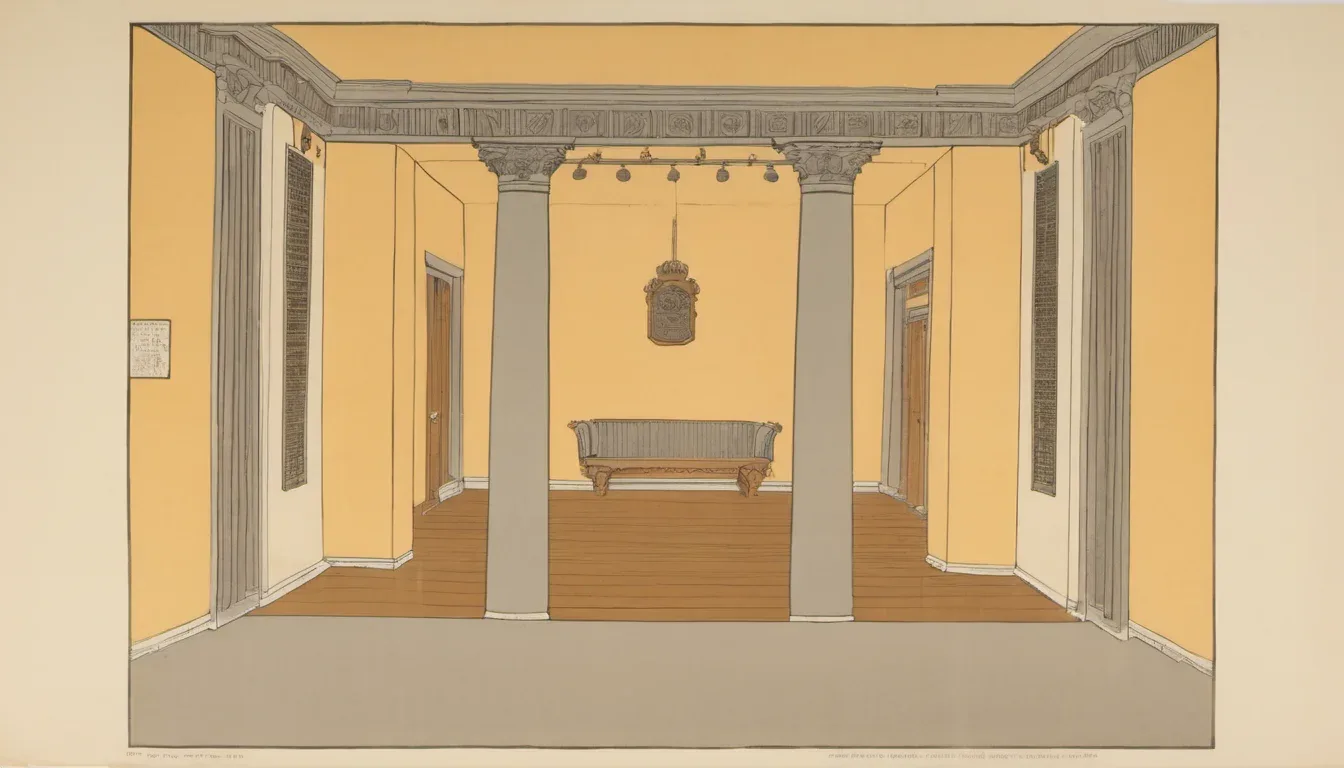
The city's deeper history turns on the Manfredi family, sieges, and papal rule. During the Renaissance and Baroque the town grew; in the 18th and 19th centuries it became a European centre of Neoclassicism, with the National Museum of Palazzo Milzetti as the best surviving document.
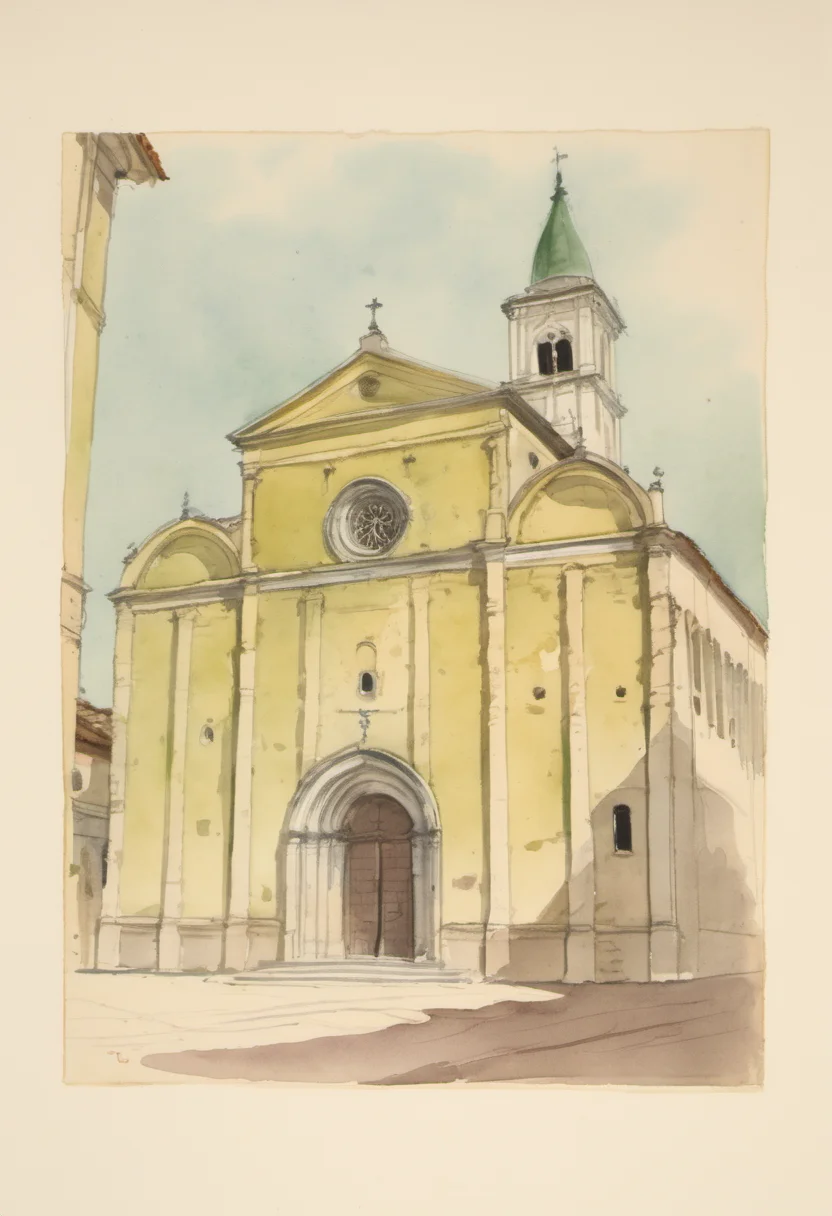
The Teatro Comunale Angelo Masini anchors this layered centre. Allow time for the cathedral, begun in 1474 and left without a facade, and the Civic Tower, which marks the Roman intersection. Then let the theatre give the evening its structure.
Faenza sits at the seam of plain and hill. The municipal territory climbs from 13 metres near the Po Valley to 220 on the first slopes of the Faenza Apennines; the centre itself rests at 35. The Lamone River runs with the Via Emilia, tying the city to Imola in the west and Forlì in the east, each about 15 kilometres away. The landscape is vineyards, fields, and the faint order of Roman centuriation.
The city's name is a currency of its own. Faience – the elegant glazed pottery – carries Faenza's identity across languages. The tradition is not nostalgic. The local economy still blends agriculture, manufacturing, ceramics, and research into advanced materials. In October 2025, UNESCO named Faenza a Creative City for Crafts and Folk Art.
The past here has a Roman skeleton. Early origins are partly a matter of myth; precise information arrives with the Roman conquest in the 2nd century BC. Charlemagne ceded the land to the Papal States in 774. Under the Manfredi family, Faenza grew through the Renaissance and Baroque, sided with the Lombard League, and survived sieges ordered by Frederick II.
In the 18th and 19th centuries came Neoclassicism. Architects Giuseppe Pistocchi, Giovanni Antonio Antolini, and Pietro Tomba reshaped the city. The National Museum of Palazzo Milzetti remains the finest example. Around it, the urban fabric layers epochs, still legible after wartime bombing.
At the Cathedral of San Pietro Apostolo, Giuliano da Maiano's design was begun in 1474 and stretched past 1515; the facade was never completed, and the church was consecrated in 1581. That unfinished front reads as a document of patience. The Civic Tower marks the entrance to Piazza del Popolo, built from 1604 on a rusticated base, stacking five orders under a dome. At its base, a marble Madonna and Child by Francesco Scala watches the street.
The Osservanza Cemetery is a quiet museum of memorial art, with tombs by Felice Giani, Lucio Fontana, and Domenico Rambelli. The Faenza War Cemetery, known as the English Cemetery, holds Commonwealth graves from the Second World War. The city earned the War Cross of Military Valor and, in 1968, the Europe Prize.
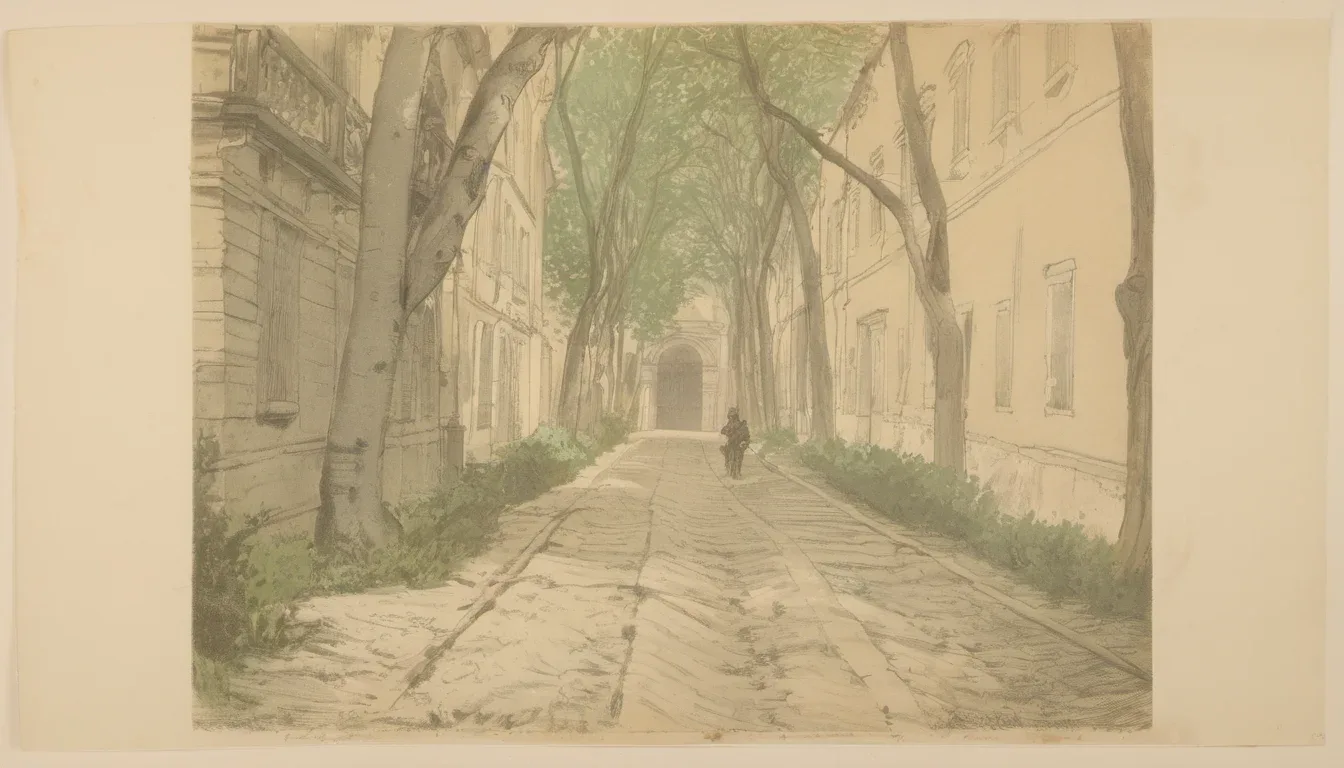
The Teatro Comunale Angelo Masini sits inside this dense narrative. Come for a performance; the approach is the prelude. The Via Emilia works as the spine, the palace fronts shift from Renaissance to Neoclassical, and the cathedral glows at dusk. The theatre frames the evening; Faenza supplies the texture.