Basilica of San Francesco
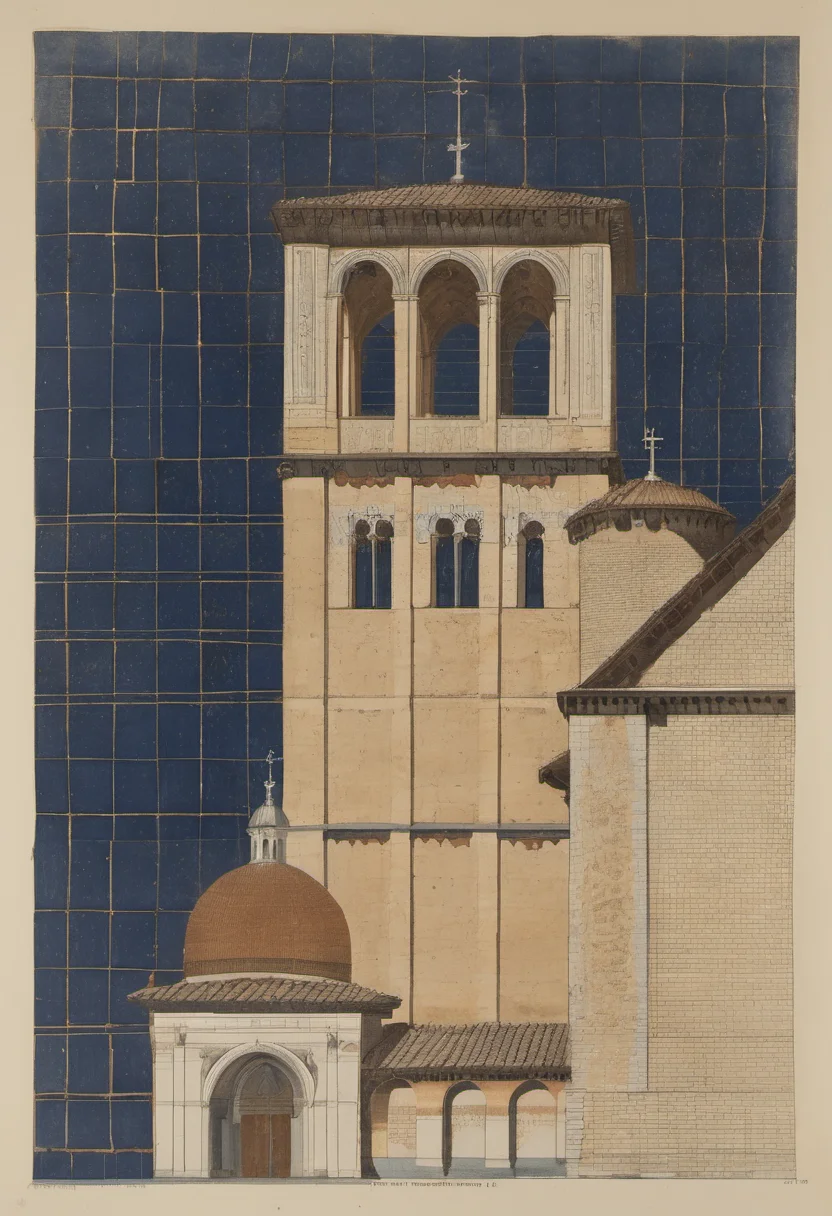
The Basilica of San Francesco sits quietly in Ravenna, its brick façade and tall bell tower a testament to its long history. First built in 450 by Bishop Neo, it was dedicated to Saints Peter and Paul. Over centuries it was rebuilt, renamed, and finally given to the Franciscans in 1261, who rededicated it to Francis of Assisi.
The church’s most famous moment came in 1321 when Dante Alighieri’s funeral was held here. His remains rest next door in the Tomb of Dante, drawing pilgrims and poetry lovers alike. Between the 16th and 18th centuries, Baroque altars and decorations were added, but a radical restoration in 1918–1921 stripped them away, returning the church to its original style.
A competition was held during the 600th anniversary of Dante’s death for a new interior scheme based on the Divine Comedy. Adolfo De Carolis won but died before his vision could be realized. The crypt was restored between 1926 and 1970. Today, the Franciscans operate the church from a building opposite, keeping it open as a lively parish church.
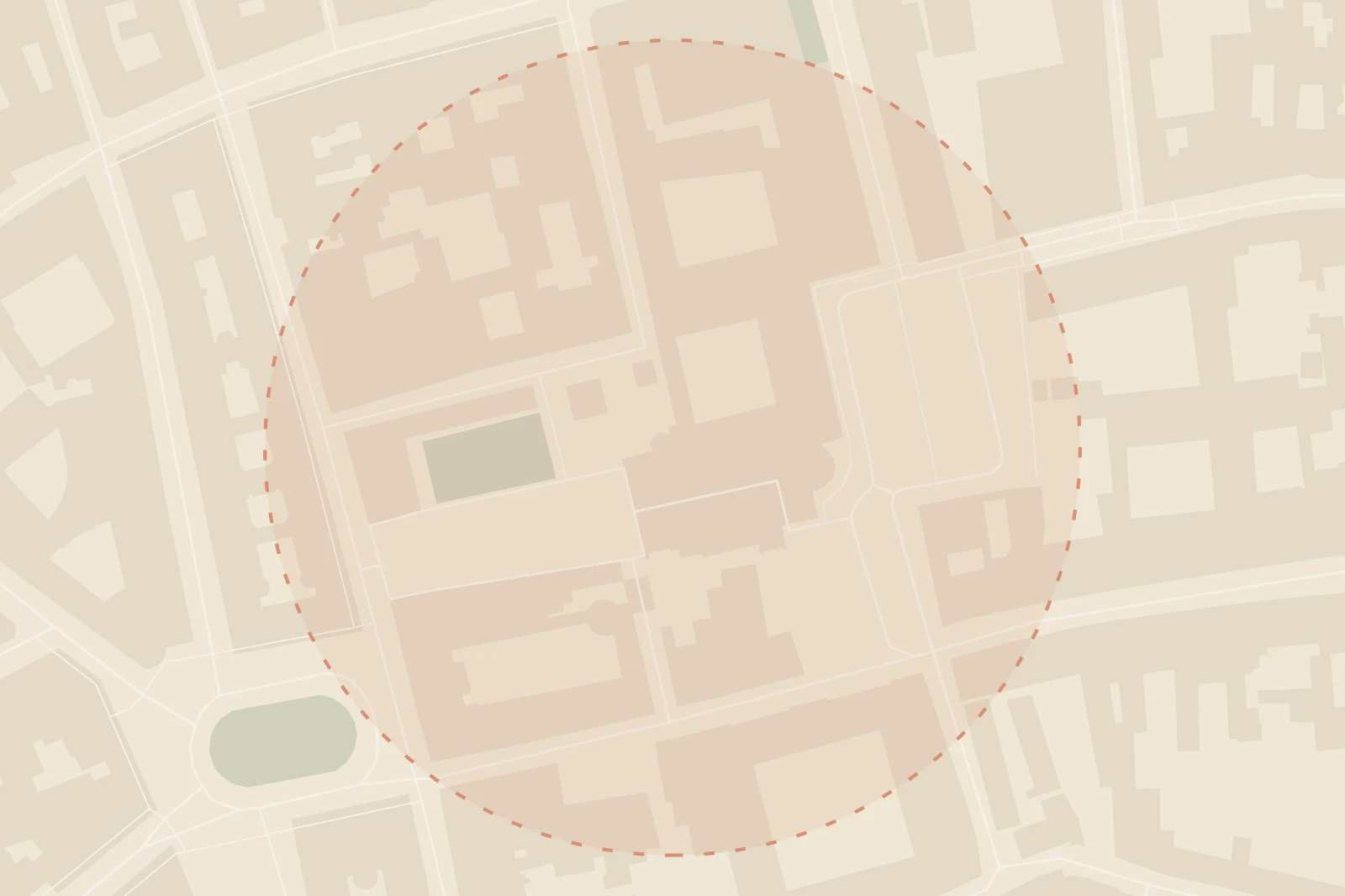
The Basilica of San Francesco stands in the heart of Ravenna, a modest brick church with a tall bell tower that rises above the surrounding streets. Its origins reach back to 450, when Bishop Neo built it as a church dedicated to Saints Peter and Paul. Later known as the Church of the Apostles, it was demolished and rebuilt on a larger scale in the 9th and 10th centuries, a structure that survives today.
In 1261 the church was handed over to the Franciscans and rededicated to Francis of Assisi, taking the name you see now. But its most enduring association is with Dante Alighieri. The poet’s funeral was held within these walls in 1321, and his tomb sits just outside, a short walk from the nave. For centuries, the church carried the weight of that connection.
Between 1500 and 1700, the interior was transformed with Baroque altars and ornamentation, reflecting the tastes of the time. The most important of these renovations came under Pietro Zumaglini in 1793. Soon after, Ravenna fell under French occupation. In 1810 the adjoining monastery was suppressed and its buildings confiscated, but the church itself remained open as a parish church.
The turning point came in the early 20th century. In preparation for the 600th anniversary of Dante’s death in 1921, the church was radically restored. Every Baroque addition was removed, returning the interior to something resembling its earlier, simpler form. The work aimed to honour the memory of the poet and the medieval spirit of the building.
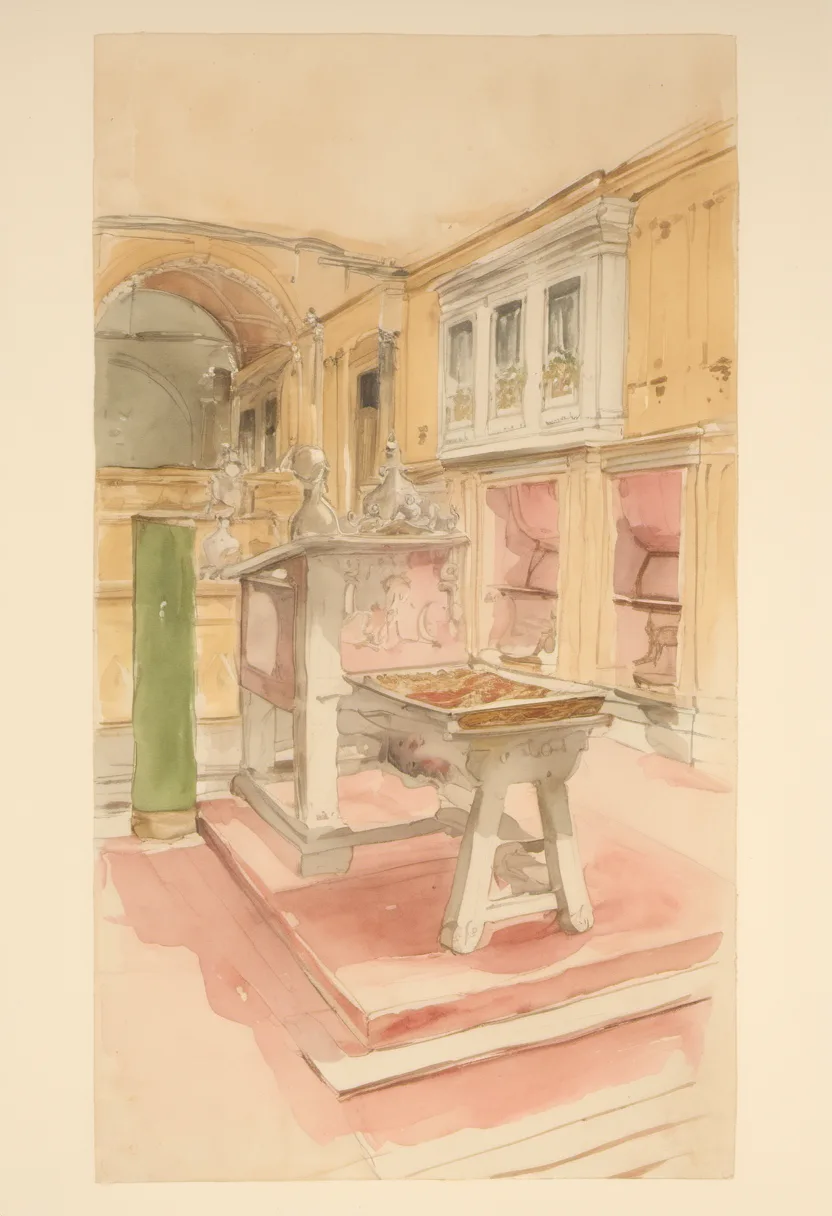
During the anniversary year, a competition was launched to create a new decorative scheme inside the church based on Dante’s Divine Comedy. The artist Adolfo De Carolis won the contest, but his sudden death prevented the scheme from ever being carried out. What remains is the quiet, unadorned space that the restoration revealed.
The crypt, one of the church’s oldest parts, underwent a long restoration between 1926 and 1970, carefully uncovering its early medieval roots. In 1949 the Franciscans returned, not to the old monastery but to a building opposite the church. They continue to run it as a parish church, a living place of worship rather than a museum.
Today, the Basilica of San Francesco is a place of calm in Ravenna’s busy centre. Devotees come for the Dante connection; others find solace in the bare brick walls and the memory of centuries. The bell tower, weathered and solid, marks the skyline. The church does not shout its history—it waits for you to discover it.