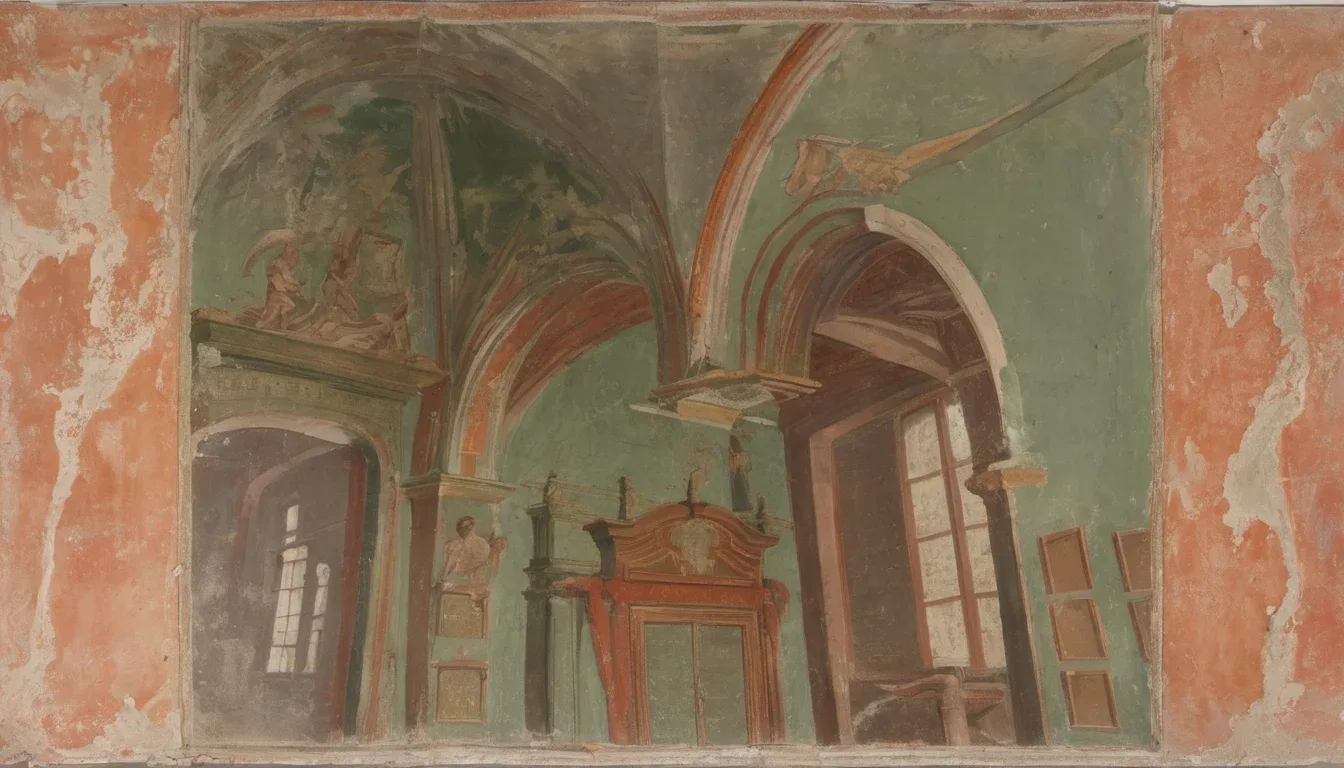
Antica Spezieria di San Giovanni Evangelista
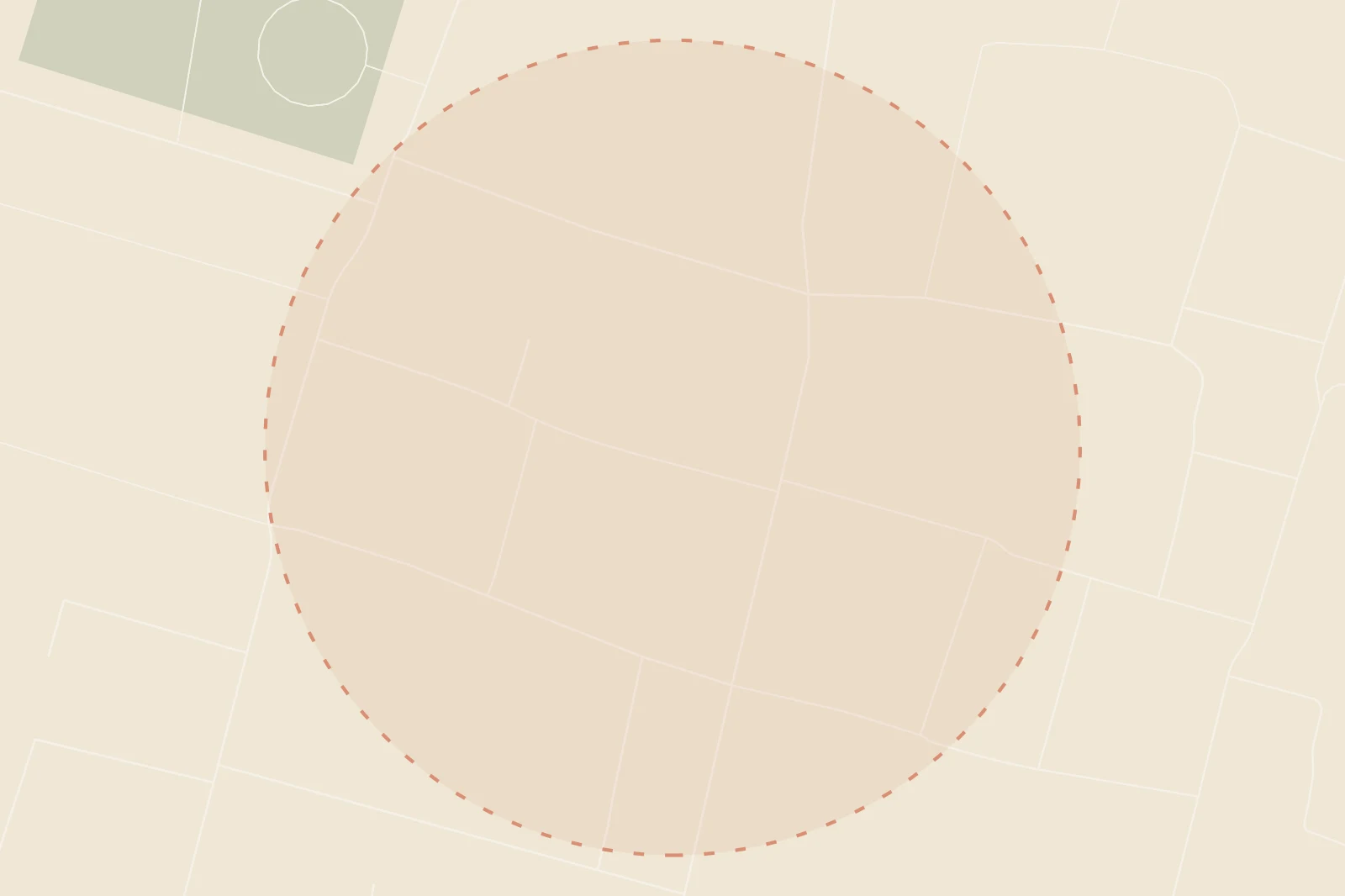
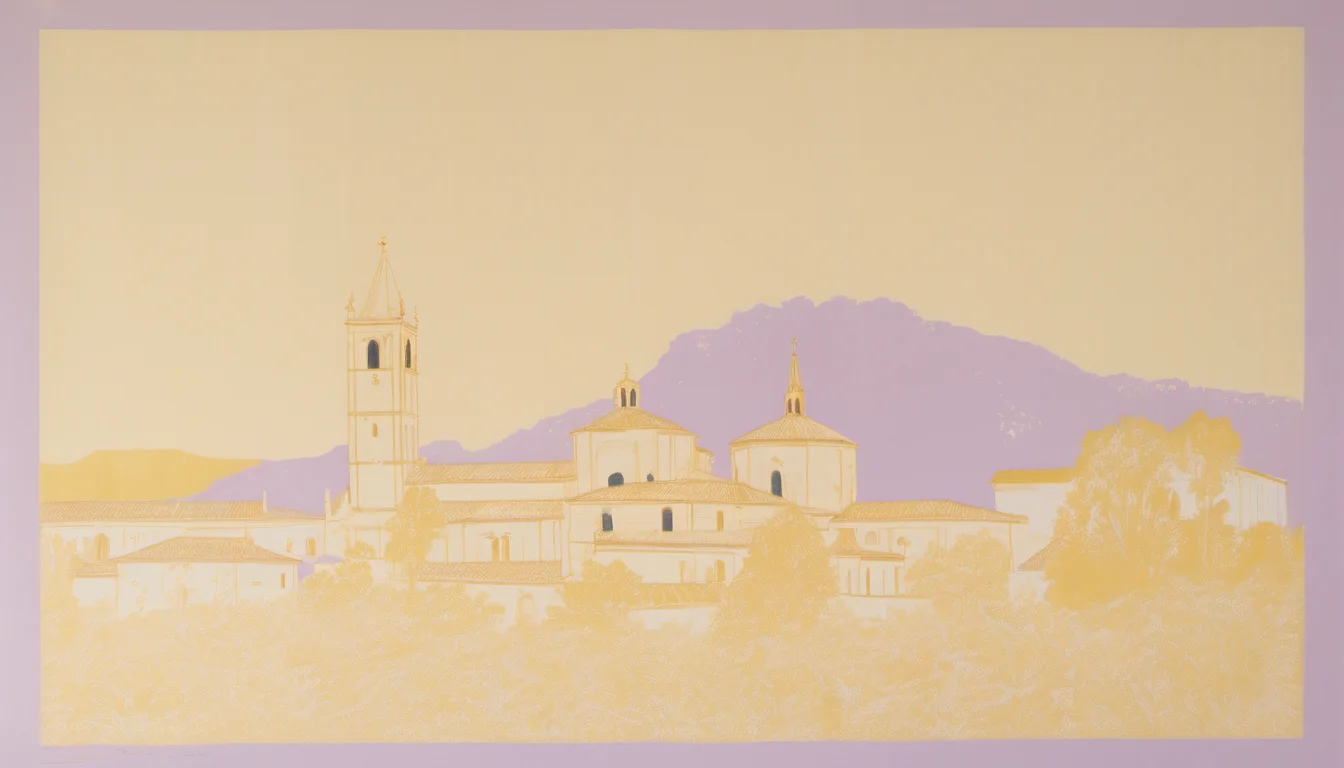
Behind a plain door on Borgo Pipa, off a quiet corner of Parma, sits a pharmacy that answered to a Benedictine abbey for eight hundred years before it ever served the public. The Antica Spezieria di San Giovanni occupies rooms inside the Abbey of San Giovanni Evangelista, founded in 980 on the site of an even older oratory to San Colombano. The monks built a pharmacy here — a spezieria — for their own use, it seems, long before anyone else was allowed near it. Records confirm it existed by 1201, though the setup is probably older still.
The friars overhauled the pharmacy toward the end of the sixteenth century, and much of that furniture survives. Then, in 1766, the ducal prime minister Guillaume du Tillot forced the issue: new laws stripped the spezieria from monastic control. The monks walled up the door that connected it to the convent, leaving only a narrow window through which medicines could still be passed to the brothers, and cut a new entrance for the public on the monastery's western side. Management went to an outside apothecary, and stayed in one family, the Gardonis, until 1881.
The state bought the rooms in 1896 and left them shut for over half a century. When the museum finally opened in 1951, four rooms held the collection: 250 glass vessels and instruments, mortars, and volumes of botany. Oversight passed to various ministries over the following decades, and from 2014 the complex underwent a long restoration that eventually restored its original layout — including, after more than two centuries, the reopened door to the convent. In June 2024, the spezieria joined the Pilotta Monumental Complex; the museum reopened to the public that same year.
Walk the eight rooms today and the sixteenth- and seventeenth-century furnishings are still in place. The Sala del Fuoco keeps its 1766 sales counters and two-armed nineteenth-century scales beneath a Baroque vault frescoed with the Assumption of the Virgin. Next door, twelve lunettes in the Sala dei Mortai line the ceiling with portraits of history's most celebrated physicians — Galen, Hippocrates, Avicenna among them — painted above cases of marble and bronze instruments. A neighbouring room, until the 2024 restoration known as the Sala delle Sirene, turns out to hold not mermaids but harpies: carved figures long misread before someone looked closer.
Near the end of the route, past a room devoted to the Benedictine rule — Ora et labora — and a corridor recounting the recent restoration, comes the Sala dei Veleni, the Room of Poisons. What exactly it once held goes unrecorded in what survives of its history; the name is the only clue left standing.
On Borgo Pipa, behind a modest doorway that gives no hint of what waits past it, an eight-hundred-year-old pharmacy sits inside a working memory of monastic Parma. The Antica Spezieria di San Giovanni once served only the Benedictine monks of the Abbey of San Giovanni Evangelista, an institution founded in 980 on the site of an older oratory dedicated to San Colombano. There is no firm founding date for the spezieria itself — only a certainty that it existed by 1201, and a strong suspicion that it is older than that.
For centuries it stayed inside the cloister, off-limits to outsiders. Toward the end of the sixteenth century the friars reorganized it and fitted it out anew; much of that furniture is still there today. The break came in 1766, when Guillaume du Tillot, prime minister to the Duke of Parma, forced the monastery to secularize its pharmacy under new law. The monks answered architecturally: they walled up the door linking the spezieria to the convent, leaving only a small window through which medicines could still pass to the brothers inside, and cut an entirely new entrance for the public on the monastery's western flank. From then on, an outside apothecary ran the place — management that stayed within one family, the Gardonis, until 1881.
The Italian state acquired the rooms in 1896 and kept them shut for more than fifty years. When they reopened as a museum in 1951, four rooms displayed what remained of the pharmacy's working life: some 250 glass vessels and tools, a run of old mortars, and volumes of botanical reference. Oversight passed in 1968 to the Soprintendenza ai Beni Artistici e Storici, and from December 2014 the Ministry for Cultural Heritage administered the site for a decade through the Polo museale dell'Emilia-Romagna, later renamed the Direzione regionale Musei. Behind the scenes, the rooms closed for a major restoration reaching into four adjacent spaces, returning the complex to something closer to its historic layout and reopening, after more than two centuries sealed, the old door to the convent. On the first of June 2024 the spezieria joined the Pilotta Monumental Complex; the restoration ran on until the museum reopened to visitors that same year.
The route through the museum runs across eight Mannerist-era rooms, each keeping its sixteenth- and seventeenth-century furnishings. It begins in the Sala del Pozzo, the Well Room, once the spezieria's working laboratory. A well is still there, along with instruments once used to prepare remedies. The small space was fully restored in 1996; its sixteenth-century washbasins, carved from red Verona marble, remain in place, while the walls — covered in nineteenth-century graffiti — hold a run of glass alembics, mostly eighteenth century. A side door leads to the cellar, once used to store spices and medicinal herbs.
Next comes the Sala del Fuoco, the Fire Room, which opens directly to the outside through a wooden bussola and still holds a walled-up fireplace. Its floor plan is trapezoidal, though you would never guess it — the wooden fittings and ceiling decoration disguise the irregularity entirely. The vault above is worked in Baroque stucco around a central sixteenth-century fresco of the Assumption of the Virgin, attributed to Innocenzo Martini. The wooden sales counters date to 1766, installed after secularization for trade with the public, and beside them stand nineteenth-century two-armed scales with their original weights, calibrated to long-obsolete units. The surrounding cabinets and cases hold seventeenth-century maiolica jars, each painted with the eagle of St John the Evangelist.
A carved wooden door opens into the Sala dei Dottori dell'Antichità, also called the Sala dei Mortai, where dozens of marble and bronze instruments from the seventeenth and eighteenth centuries are on display. The ceiling fresco depicts the Vision of St John at Patmos; around it, twelve lunettes carry humanist portraits of history's most celebrated physicians — Mercury, Apollo, Galen, two figures now unidentified, Averroes, Hippocrates, Asclepius, Aetius of Amida, Pedanius Dioscorides, Avicenna, and Mesue — with a grotesque-decorated frieze beneath them glorifying the science of medicine. Late-Mannerist wooden cases line the walls, matched to lacquered window shutters and an eighteenth-century central table, and the shelves hold maiolica and porcelain vessels spanning roughly the seventeenth to nineteenth centuries.
The next room, known until the 2024 restoration as the Sala delle Sirene, turns on a small correction: the mythological figures carved into its display-case pilasters were long taken for sirens, and only later identified as harpies. Its ceiling fresco shows the eagle of St John among winged putti; its own twelve lunettes are reserved for local rather than ancient physicians — Scipione Cassola, Filippo Silva, Antonio Massera, Pietro Linati, Paolo Accorsio, Gerolamo Iuncta, Giovanni Cascia, Alberto Urbano Sanseverino, Pompilio Tagliaferri, Andrea Cerati, Flavio Sacco, and Tiberio Delfini, all connected to Parma. The carved wooden furnishings are the work of Alessandro Vandone, dated 1606, while the door and painted window shutters were added in the early eighteenth century. Its shelves hold pharmacy, medicine, and botany volumes running from the sixteenth into the nineteenth century.
The Sala della Storia turns to the pharmacy's own history, told partly through a large map of the whole abbey complex, alongside glass objects from its working past. A nineteenth-century plaster bust depicts Ferdinando Gardoni, son of Luigi Gardoni, the first outside apothecary to run the spezieria, and a nineteenth-century painting by Ignazio Affanni shows Ferdinando's own son, Leonida. Beyond it, the Sala della Regola turns to monastic life itself, framed by the Benedictine motto Ora et labora — pray and work — and holds an old habit of the Order of St Benedict.
The Corridoio di ingresso, also called the Corridoio del Monaco, is given over to the story of the 2024 restoration. Its centerpiece is the old door to the abbey cloister, sealed since 1766 and reopened during the works. Two molded pilasters and a curved, sculpted pediment frame the doorway; a cartouche above carries a Latin inscription, Aegrae Mortalitati Amarum et dulce levamen, dated MDCCXLVIII — 1748 — loosely, a bitter and sweet relief for sickly mortality. Around it runs a richly painted frame, its cornice worked with volutes and vases, and at its center a large shield bears the Allegory of Health: a woman holding the staff of Asclepius in one hand, a sacrificial rooster in the other.
The route ends at the Sala dei Veleni, or Sala del Libro — the Room of Poisons, or of the Book — a small space that once held certain substances the spezieria judged too dangerous for open shelves. What exactly the room kept, and what book gave it its second name, is where the surviving record runs out. The name remains; the rest of the story, for now, does not.