walkli
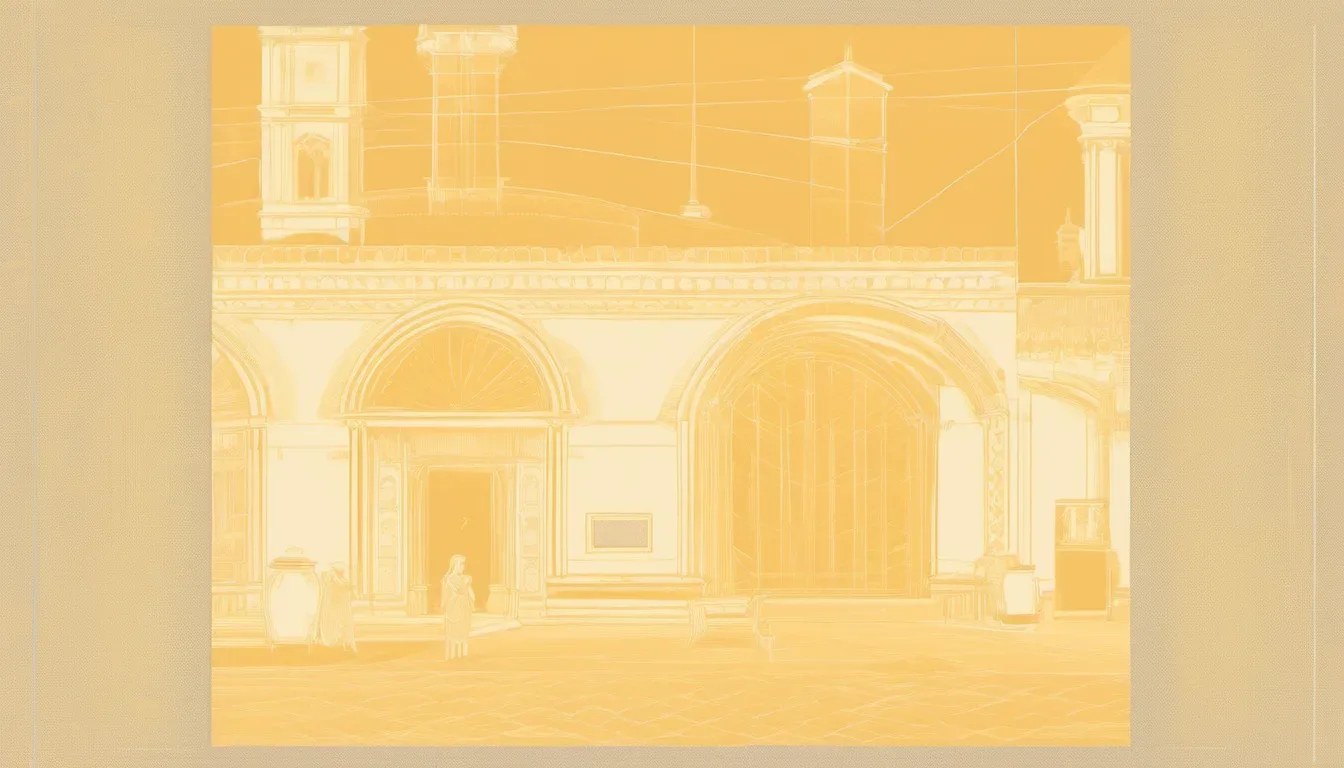
Illustration of the octagonal Baptistery of Parma in pink-veined marble, showing its four tiers of arcaded loggias, a carved portal, and a roofline of eight slender turrets against the sky.

Four tiers of pink Verona marble, climbing toward eight slender turrets.

Baptistery of Parma

Parma · Emilia-Romagna · Italy

Look down before you look up. The marble band running around this building's base is carved with seventy-five creatures that never existed — unicorns, sirens, griffins, a whole medieval bestiary chiselled into pink Verona stone. Now look up. Outside, it's a plain eight-sided drum. Step through the doorway, and that geometry quietly changes: eight sides become sixteen.

One man is responsible for most of what you're standing in front of. Benedetto Antelami, sculptor and architect, signed his own work — an inscription on the north doorway announces, in Latin verse, that he began in 1196. He had about twenty years on site, carving prophets, apostles, and a cycle of the months, before the project outlived him. Summer and autumn were never carved at all.

Parma then spent three decades at war with the Holy Roman Emperor, and building simply stopped. When it resumed, masons from Lombardy raised the Gothic upper tiers and painted the dome overhead — sixteen ribs pulling the eye toward one small red circle, standing in for heaven. The whole building was finally consecrated in 1270, seventy-four years after the first stone.

On the south doorway, find a man sitting in a tree, calmly eating honey. He hasn't noticed the dragon waiting below, or the two mice gnawing through the branch that's holding him up — an old parable, and one historians now trace back to the life of the Buddha. The statues on the facade today are copies. The originals stand a few steps away, worn soft by eight centuries of weather, close enough to touch.

Stand back and count the sides: eight of them, wrapped in pink-veined Verona marble, rising in four tiers of arcaded loggias toward a crown of slender turrets. Now step through one of the three doorways. Inside, the geometry changes. The octagon dissolves into a drum of sixteen sides, and above it a painted dome pulls the eye straight up toward a single red circle at the summit. That shift, eight outside and sixteen within, was almost certainly deliberate: in medieval theology, baptism moved a soul out of the seven days of earthly time into an eighth, eternal one. The extra sides are the argument, built in stone.

Credit for most of what surrounds you belongs to one man. Benedetto Antelami arrived in Parma already known for a marble relief carved for the cathedral next door, and he was ambitious enough to sign his own building. Cut into the architrave of the north doorway, in Latin verse, is a small act of self-promotion: begun in 1196, it says, by this sculptor Benedetto. Few medieval artists dared name themselves at all.

He had roughly twenty years on site, enough to finish the lower two galleries, the three portals, and most of a frieze of some seventy-five carved panels running around the base: real animals tangled up with unicorns, griffins, sirens, centaurs, a bestiary that had little to do with scripture and everything to do with a medieval audience trained to read moral lessons into monsters. Then the work stopped.

Parma spent much of the thirteenth century at war with the Holy Roman Emperor Frederick the Second, and for roughly three decades the baptistery sat half finished in the piazza. When building resumed, Lombard masons, the Maestri Campionesi, finished the job, raising the Gothic upper tiers and painting the dome in a Byzantine-influenced style so different from Antelami's sculpture that historians still argue over who painted it; one candidate signed himself only Grisopolo, painter of Parma. Consecration finally came on the twenty-fifth of May, 1270, seventy-four years after Antelami cut the first stone.

Look, too, for the twelve months and two seasons carved into the first interior gallery, about fifteen metres up. It is another Antelami project left unfinished. Summer and autumn are missing. Nobody knows why for certain; the likeliest explanation is that Antelami died, or simply moved on, before completing a cycle he clearly meant to finish, a rare thing to find in medieval art: an ambitious, famous project abandoned mid-thought.

On the south doorway, find the small relief of a man sitting calmly in a tree, eating honey from its branches. He hasn't noticed the dragon waiting at the roots, or the two mice, one dark and one light, steadily gnawing through the branch that's holding him up. It is the parable of Barlaam and Josaphat, told across Christian Europe for centuries as devotional literature. What most visitors never learn is where the story came from. Strip away the Christian framing, and the plot is a retelling of the life of the Buddha, carried west through Arabic and Georgian translations centuries before it reached a sculptor working in northern Italy. A Buddhist parable, on a Catholic baptistery, carved by a craftsman who likely never knew its origin.

One argument among scholars is still unresolved: whether the building was oriented on purpose to catch sunlight on particular feast days, with a beam supposedly crossing the baptismal font each year around the twenty-fourth of June, the feast of Saint John. Suggestive, unproven, and possibly both. What is certain is what's missing from the facade: the statues that once filled its niches, Solomon and the Queen of Sheba among them, two archangels too, have all been moved indoors for their own protection. What stands outside today is a faithful copy. The originals, softened by eight centuries of Parma weather, wait a few steps away, close enough that you could, if they weren't behind glass, still reach out and touch the marble Antelami actually carved.
Do not miss

The zooforo frieze

Running around the base of the exterior is a continuous carved band of roughly seventy-five panels — real animals tangled up with unicorns, griffins, sirens and centaurs, attributed to Antelami's workshop. It has little to do with scripture; it's a medieval moral bestiary, easy to walk straight past at eye level.

Antelami's signature

On the architrave of the north doorway (the Portal of the Virgin), a Latin verse inscription names Benedetto Antelami and gives 1196 as the start date. Medieval sculptors almost never signed their work — this is one of the rare exceptions, carved by the artist himself.

The originals are next door, not outside

The statues in the exterior niches today — Solomon and the Queen of Sheba, David, the archangels Michael and Gabriel — are copies. The originals, removed for conservation, are on display in the Museo Diocesano Benedetto Antelami a few steps away, covered by the same ticket.

The unfinished Months

In the first interior gallery, about fifteen metres up, look for Antelami's carved cycle of the twelve months and two seasons. Summer and autumn were never carved — the sequence simply stops, most likely because Antelami left the project or died before finishing it.

Good questions

Why is there a story from the life of the Buddha carved into a Christian doorway?

The south portal shows the parable of Barlaam and Josaphat — a man in a tree, eating honey, unaware of a dragon and two gnawing mice below. It was told across medieval Europe as devotional literature, but scholars trace its plot back to the Buddha's biography, carried west through Arabic and Georgian translations centuries earlier.

Is it true a beam of sunlight strikes the font on a specific day?

Some archaeoastronomers argue the font-to-altar axis and certain reliefs were oriented to catch sunrise around 24 June, the feast of Saint John the Baptist. It's a suggestive reading of the geometry, but not one every art historian accepts — the debate is still open.

Why does the cycle of the months stop before summer and autumn?

Nobody recorded the reason. The leading theory is simply that Antelami died or moved on to other work before finishing a sequence he clearly intended to complete — leaving one of his most ambitious sculptural programs permanently half-done.

Practical
Entry
€12 combined ticket with the Diocesan Museum, valid 2 days (€8 for Parma-province residents on Thursdays)
Time needed
30–40 minutes
Good to know
The same ticket admits you to the Diocesan Museum next door, where the original facade statues — replaced outside by copies — are now kept.
Where
Piazza Duomo 7, on the cathedral square in central Parma
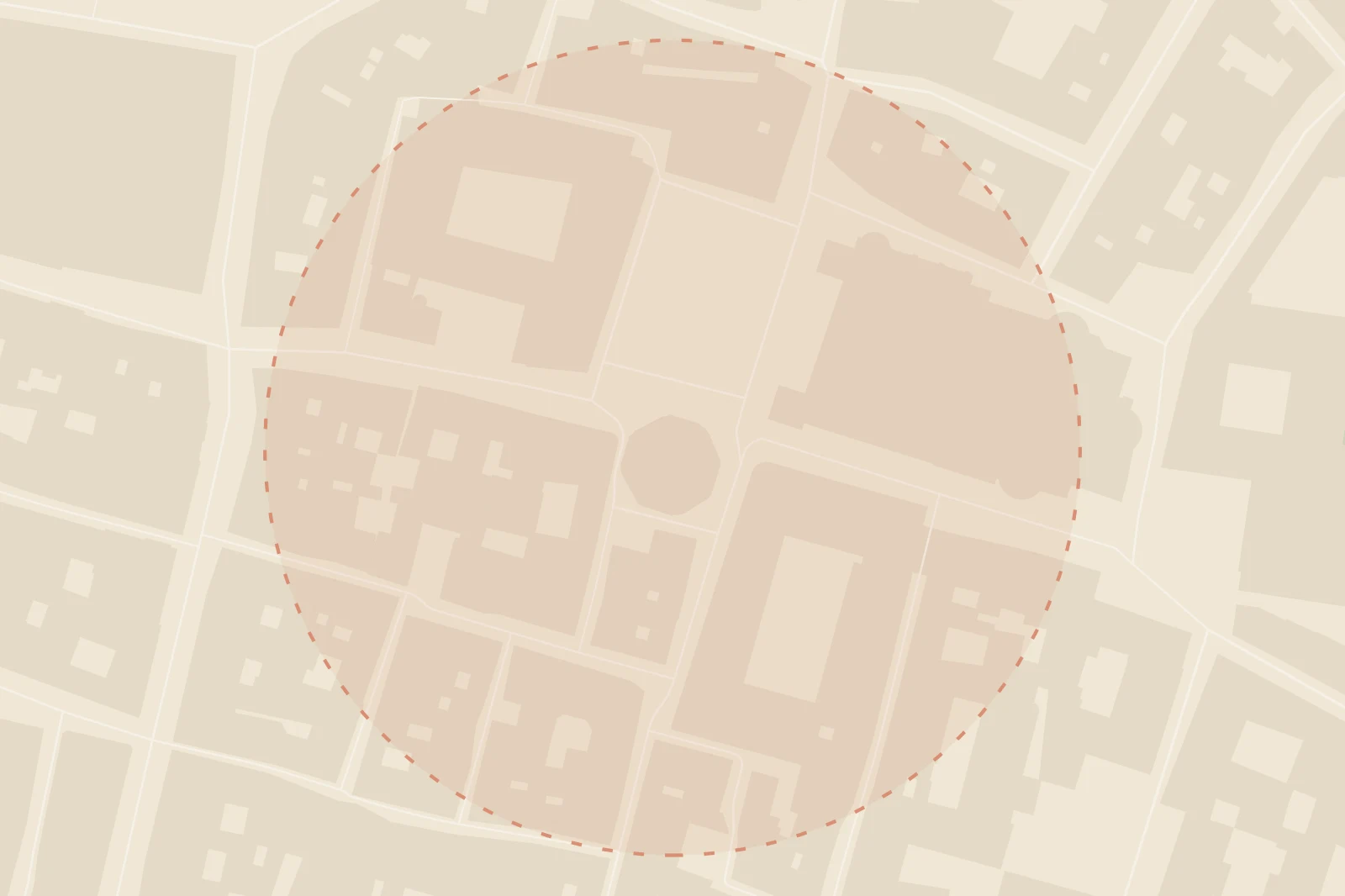
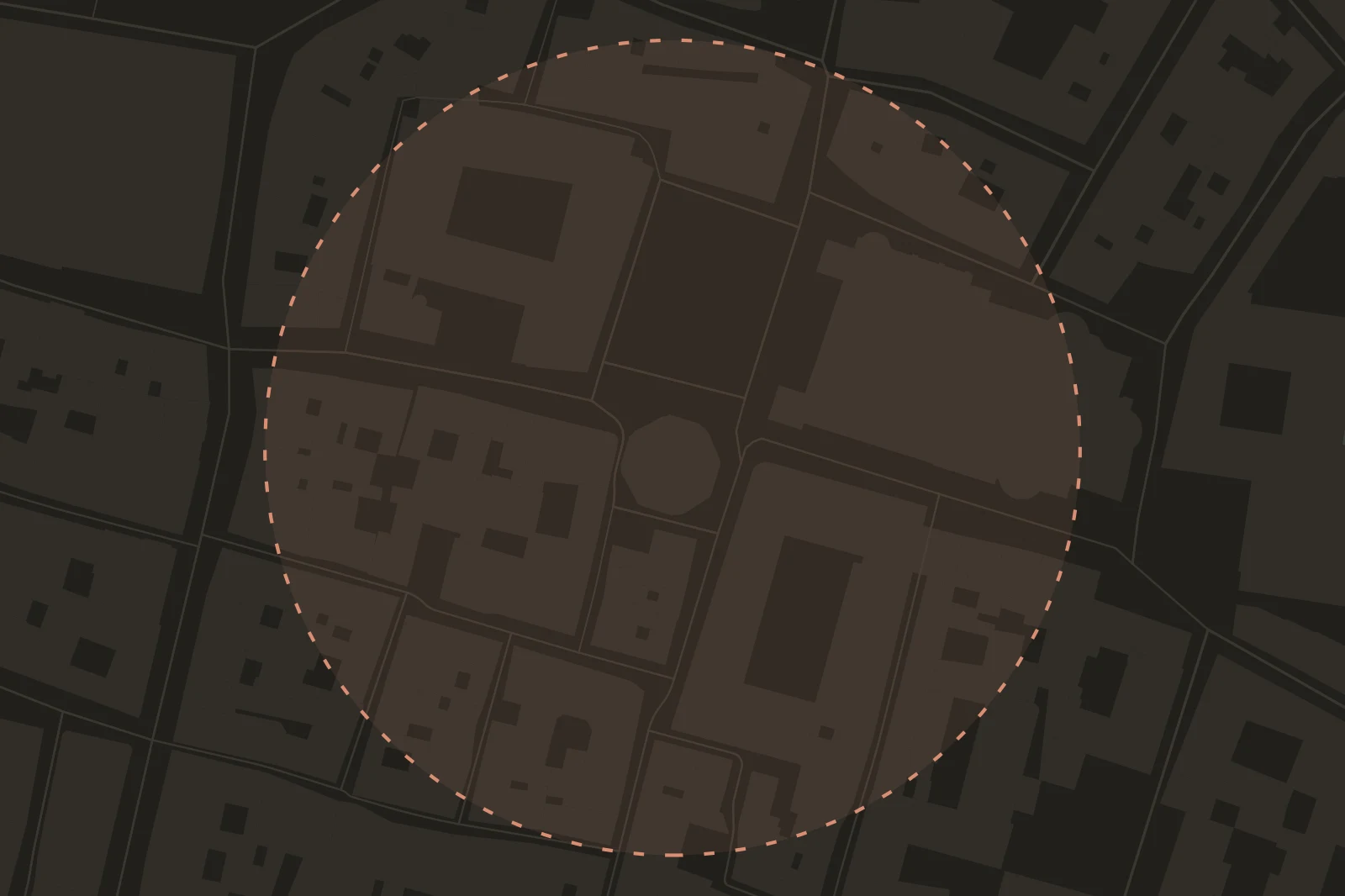
Piazza Duomo 7, Parma · ~18 m across

Map data © OpenStreetMap contributors

Nearby

Antica Spezieria di San Giovanni EvangelistaParma · ItalyA Benedictine abbey's private pharmacy, sealed off for centuries, then run by one family until 1881, shut by the state until 1951, and finally restored to reveal a 1748 door unopened since 1766. Eight Mannerist rooms, painted physicians, and a Room of Poisons whose account stops mid-sentence.Camera di San PaoloParma · ItalyIn 1519, an abbess with little patience for convent rules hired an unproven young painter, Correggio, to fresco her private dining room with a pagan goddess instead of a single saint. The Church sealed the room in 1524; it vanished from view for 250 years.Museo BodonianoParma · ItalyInside Palazzo della Pilotta, reached through the Biblioteca Palatina, the Museo Bodoniano holds the presses, letters and type of printer Giambattista Bodoni. The collection survived the wartime bombing that flattened the library, waited until 1963 for a room, and moved to new quarters in 2022.Santa Maria della SteccataParma · ItalyA wooden stockade built to control crowds around a wonder-working image gave this Renaissance church its name. Inside: a Greek-cross plan, an Agrate dome finished with Roman help, early Parmigianino frescoes, and a crypt holding twenty-six Farnese and the last Bourbon-Parma dukes.Museo Diocesano di ParmaParma · ItalyIn the basement of Parma's Palazzo Vescovile, a 2003 museum gathers what the cathedral quarter kept hidden: Roman mosaics, an early Christian lamp, Antelami's carved prophets, and a stretch of Roman wall the restorers found by accident. History here comes in fragments.Teatro FarneseParma · ItalyIn 1618, Ranuccio I Farnese raised an enormous timber theatre inside the Palazzo della Pilotta to honor a Medici visit that was cancelled. It sat empty for a decade, hosted performances only nine times in over a century, was nearly destroyed in 1944, and today serves as the entrance to Parma'sBiblioteca PalatinaParma · ItalyFounded in 1761 to replace a library the Farnese dynasty had carried off to Naples, the Biblioteca Palatina grew into one of Italy's great archives — a Bourbon duchess's pet project, a WWII casualty, and now home to what may be the country's largest Hebrew manuscript collection.Museo Glauco LombardiParma · ItalyIn a wing of Parma's Palazzo di Riserva, a museum built from one collector's persistence reassembles the court of Marie Louise, Napoleon's second wife and Parma's last duchess: her gowns, her letters, and the gilded wedding basket commissioned in Paris in 1810.
Around the world
Listen · 2 min