Biblioteca Palatina
Duke Filippo di Borbone opened the Biblioteca Palatina in 1761 because Parma's own library was already gone. Decades earlier, his brother — the future Charles III of Spain, briefly Duke of Parma himself — had shipped the Farnese family's collection off to Naples. What Filippo built in its place, inside the Palazzo della Pilotta, took its name from Apollo Palatinus, the same Roman deity behind the name of Rome's own Palatine. It was less a replacement than a fresh start, assembled almost entirely from scratch.
The task fell to Paolo Maria Paciaudi, a Theatine priest named Antiquario e Bibliotecario under a plan drawn up by the duke's prime minister, Guillaume Du Tillot. Paciaudi tried first to buy two ready-made libraries whole — Cardinal Domenico Passionei's in Rome, the Pertusati family's in Milan — and failed at both. So he turned to the open market instead, buying book by book and sorting the results into six classes: Theology, Nomology, Philosophy, History, Philology, and the Liberal and Mechanic Arts. A bookbinder, Louis Antoine Laferté, was imported specially to bind it all. The gallery that housed the collection, fitted out by the court architect Ennemond Alexandre Petitot, opened in May 1769 with the Austrian emperor Joseph II in attendance.
The library changed names with every regime that governed Parma — Reale Biblioteca Parmense, then Bibliothèque Impériale under Napoleon, then Biblioteca Ducale under Maria Luigia, who took a close interest in the place. Through her librarian Angelo Pezzana, she bought and then donated the Hebraist Giovanni Bernardo De Rossi's collection, rich in centuries-old Hebrew volumes, and commissioned a new south wing, the Salone Maria Luigia, now the reading room. Pezzana, director for nearly six decades, also brought in the Bodoni printing archive and further troves of manuscripts and engravings. In the Sala Dante, Francesco Scaramuzza spent sixteen years, 1841 to 1857, frescoing the ceiling.
War reached the library in March and April 1944, when RAF raids aimed at Parma's rail yards fell wide and struck the historic center instead. Some 21,000 volumes were destroyed. It took until 1950 for even a partial repair, when copies made from the library of Mario Ferrarini filled some of the gaps.
What survives today runs past 708,000 printed works, some 6,620 manuscripts, 3,042 incunabula, and over 52,000 prints and drawings, alongside a music section dating to 1889. Its Hebrew manuscript holdings are the largest in Italy and, by some accounts, among the largest anywhere — Italian sources call it perhaps the largest such collection kept in any public library. A medieval illuminated Hebrew Bible, shown publicly in 2019, is reckoned the oldest known version of scripture in Italy. The electronic catalogue, when it finally arrived, dates only to 1994.
Duke Filippo di Borbone founded the Biblioteca Palatina in 1761, and the timing was not an accident. His brother, the future Charles III of Spain, had ruled Parma briefly in the early 1730s and, on leaving, took the Farnese family's library and archives with him to Naples. What Filippo built afterward, inside the Palazzo della Pilotta, was a library with no inherited core at all. He named it for Apollo Palatinus, the ancient temple whose title also gave Rome's Palatine Hill its name.
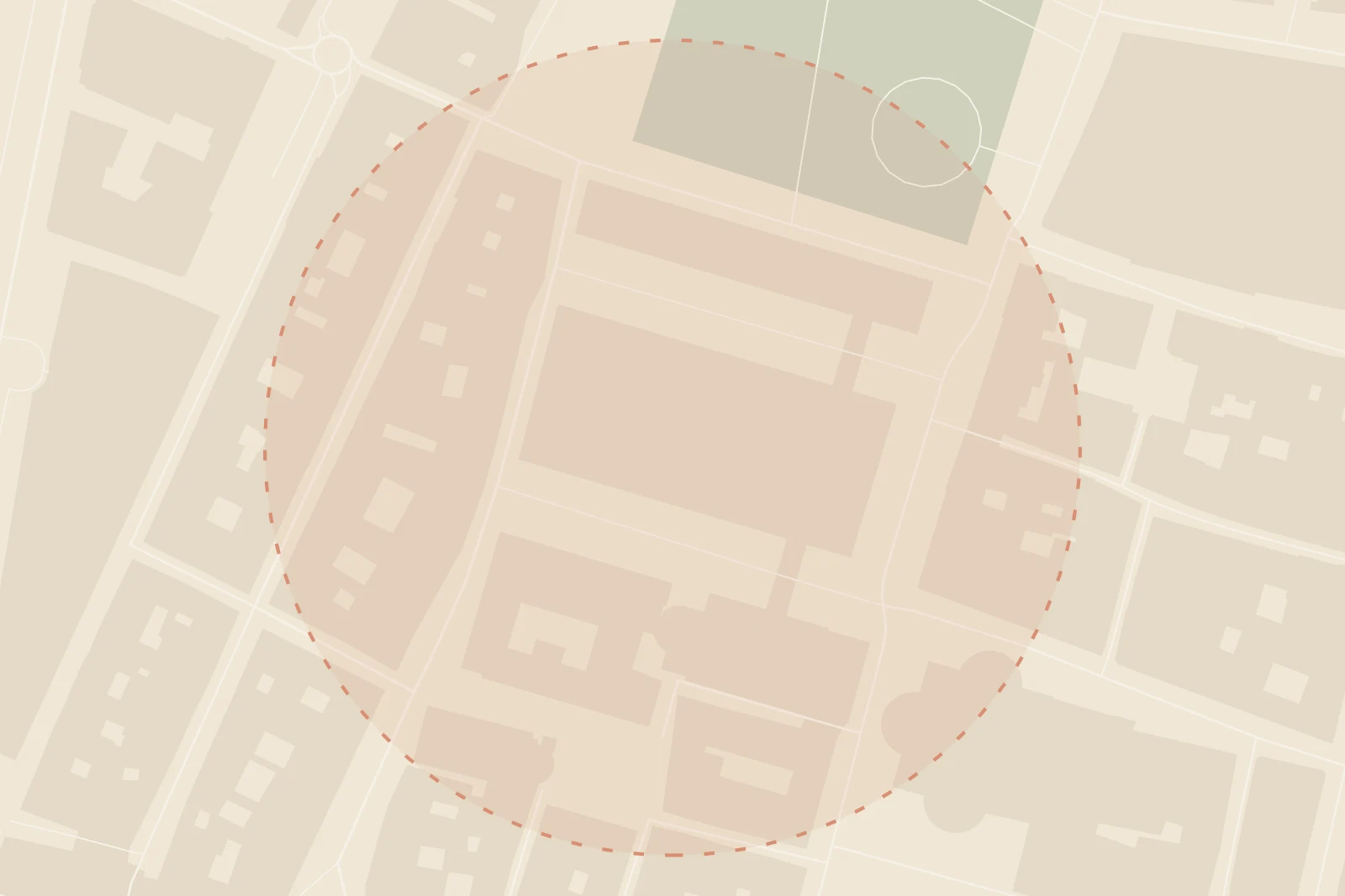
You reach it by the Scalone Imperiale, a double stone staircase built for grandeur rather than convenience, which also serves the Galleria Nazionale, the Teatro Farnese, and the Museo Archeologico Nazionale housed in the same sprawling palazzo. The Palatina was never meant to stand alone; it shares its address with the rest of the Farnese court's leftover ambition.
Its first librarian was Paolo Maria Paciaudi, a Theatine priest given the title Antiquario e Bibliotecario under a plan devised by the duke's prime minister, Guillaume Du Tillot. Paciaudi's original hope was to buy two libraries whole — Cardinal Domenico Passionei's in Rome, the Pertusati family's in Milan — and skip the slow work of building a collection piece by piece. Both deals fell through. He turned instead to the open market, cataloguing his purchases into six classes: Theology, Nomology, Philosophy, History, Philology, and the Liberal and Mechanic Arts. A bookbinder, Louis Antoine Laferté, was brought in specially to bind the growing collection, and Paciaudi is credited as the first in Italy to organize a library by movable author cards. The gallery built to hold it all, fitted out by the court architect Ennemond Alexandre Petitot, opened formally in May 1769, with the Austrian emperor Joseph II among the guests.
Court politics soon caught up with the project. In 1771, both Du Tillot and Paciaudi fell out of favor, and oversight passed to the Benedictine Andrea Mazza. Paciaudi returned in 1778 and held the post until his death in 1785. His successor, the polymath cleric Ireneo Affò, oversaw the library's expansion into the Galleria dell'Incoronata. When Affò died in 1797, the former Jesuit priest Matteo Luigi Canonici took over, serving until 1805.
By then the library's name had already changed twice, first to Bibliothèque Impériale and Bibliothèque de la Ville de Parme under the Napoleonic administration, which in 1804 installed Angelo Pezzana as director — a post he would hold for nearly six decades. Under Maria Luigia, who governed the duchy after Napoleon's fall, it became the Biblioteca Ducale, and Pezzana recatalogued its holdings into five classes: Theology, Jurisprudence, Science and Arts, Belle-Lettere, and History. Maria Luigia took a direct hand in its growth. Through Pezzana, she purchased and then donated the collection of the Hebraist abate Giovanni Bernardo De Rossi, rich in Hebrew manuscripts reaching back to the Middle Ages, and in 1834 commissioned the architect Nicola Bettoli to build a new south wing, the Salone Maria Luigia — still the library's reading room today, marked by a marble bust of the duchess carved by Antonio Canova.
Pezzana's decades in charge brought in far more than the De Rossi collection. He acquired the manuscripts of Francesco Albergati Capacelli, the papers of Monsignor Casapini, the design and engraving collections of Massimiliano Ortalli and canon Raffaele Balestra, a trove of Judaica and Hebrew manuscripts sold by Salomon Stern and Mordecai Bisliches, and further collections belonging to Bartolomeo Gamba, Michele Colombo, and Giovanni Bonaventura Porta. The printed and typographic legacy of Giovanni Battista Bodoni also entered the library's orbit under his tenure, though it now sits separately in the adjoining Museo Bodoni. Through these same years, in the Sala Dante, the painter Francesco Scaramuzza spent sixteen years, from 1841 to 1857, frescoing the ceiling.
After Pezzana came a long line of librarians — Federico Odorici, Pietro Perreau, Luigi Rossi, Edoardo Alvisi, and a further succession running into the mid-twentieth century. None of that continuity protected the building from the war. In March and April 1944, RAF bombers aiming for Parma's train station and marshalling yards flew high and struck wide, damaging much of the historic center, the Palatina included. Around 21,000 volumes were destroyed. Only in 1950 was some of that loss offset, using copies made from books held in the private library of Mario Ferrarini.
What the Palatina holds now is considerable: more than 708,000 printed works, some 6,620 manuscripts, 3,042 incunabula, and over 52,000 prints and drawings, alongside a music section established in 1889 whose scale sources describe differently but which runs, by any count, into the tens of thousands of items. Its Hebrew manuscript collection is the largest in Italy and, Italian sources suggest, perhaps the largest of its kind held by any public library anywhere — a claim offered with a note of caution even by the library itself. Among the manuscripts singled out as most significant are the Bibbia Atlantica, an eleventh-century Greek tetravangelo, the Breviary of Barbara of Brandenburg, a set of French and Flemish books of hours, and the Beccadelli fund. A medieval illuminated Hebrew Bible, shown to the public for the European Day of Jewish Culture in 2019, is considered the oldest known version of scripture in Italy. Among the correspondence held in the collection is an important exchange between Giuseppe Verdi and his publisher, Giulio Ricordi.
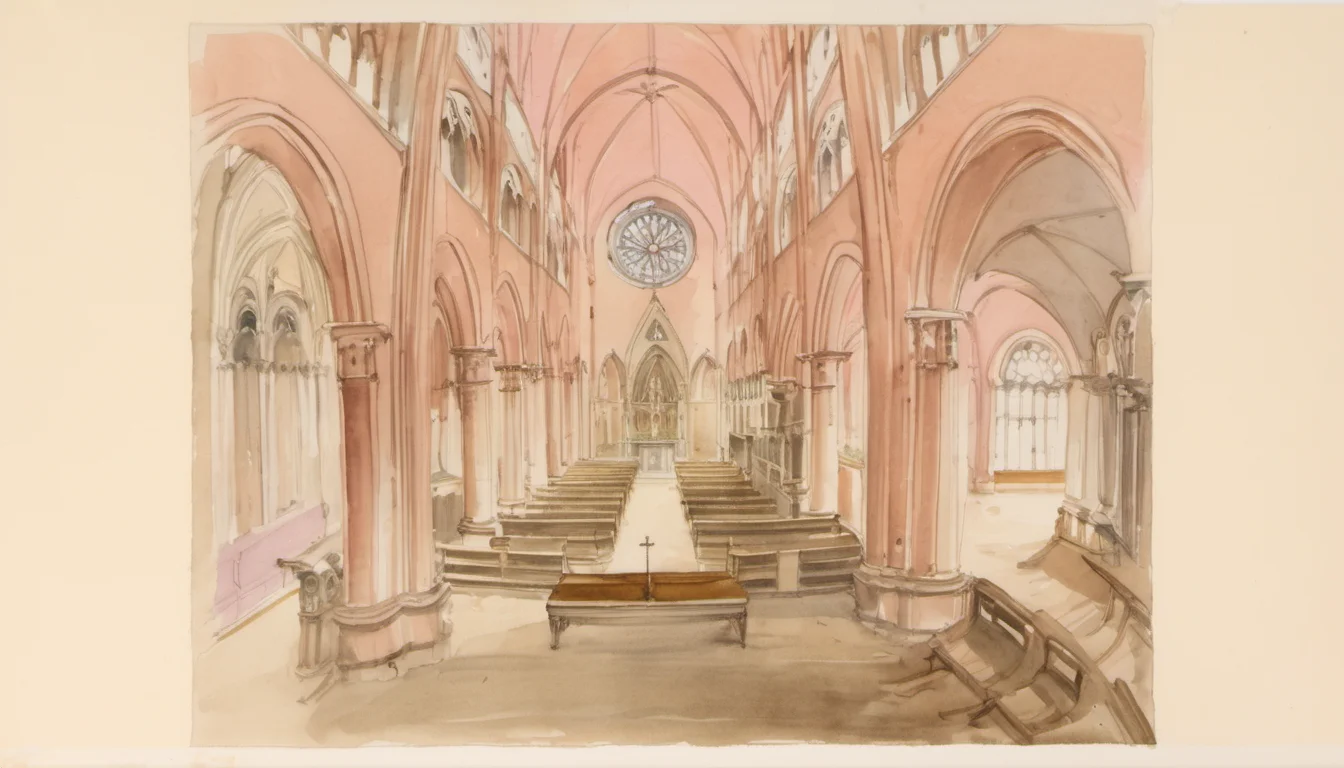
The library today is arranged across a set of named rooms as much as it is a single collection: the Galleria Petitot, the Galleria dell'Incoronata, the Sala Dante, the Biblioteca Derossiana, and the Sala di lettura Maria Luigia. In 2008, a support group, the Associazione amici della Palatina, was formed to promote the library and the adjoining Museo Bodoniano, running literary, historical, and musical events. The electronic catalogue, for a collection whose oldest volumes predate print, did not arrive until 1994 — a reminder of how much of the Palatina's history has been kept, and is still consulted, on paper.